Our Products
Fresh from the farm and forest.
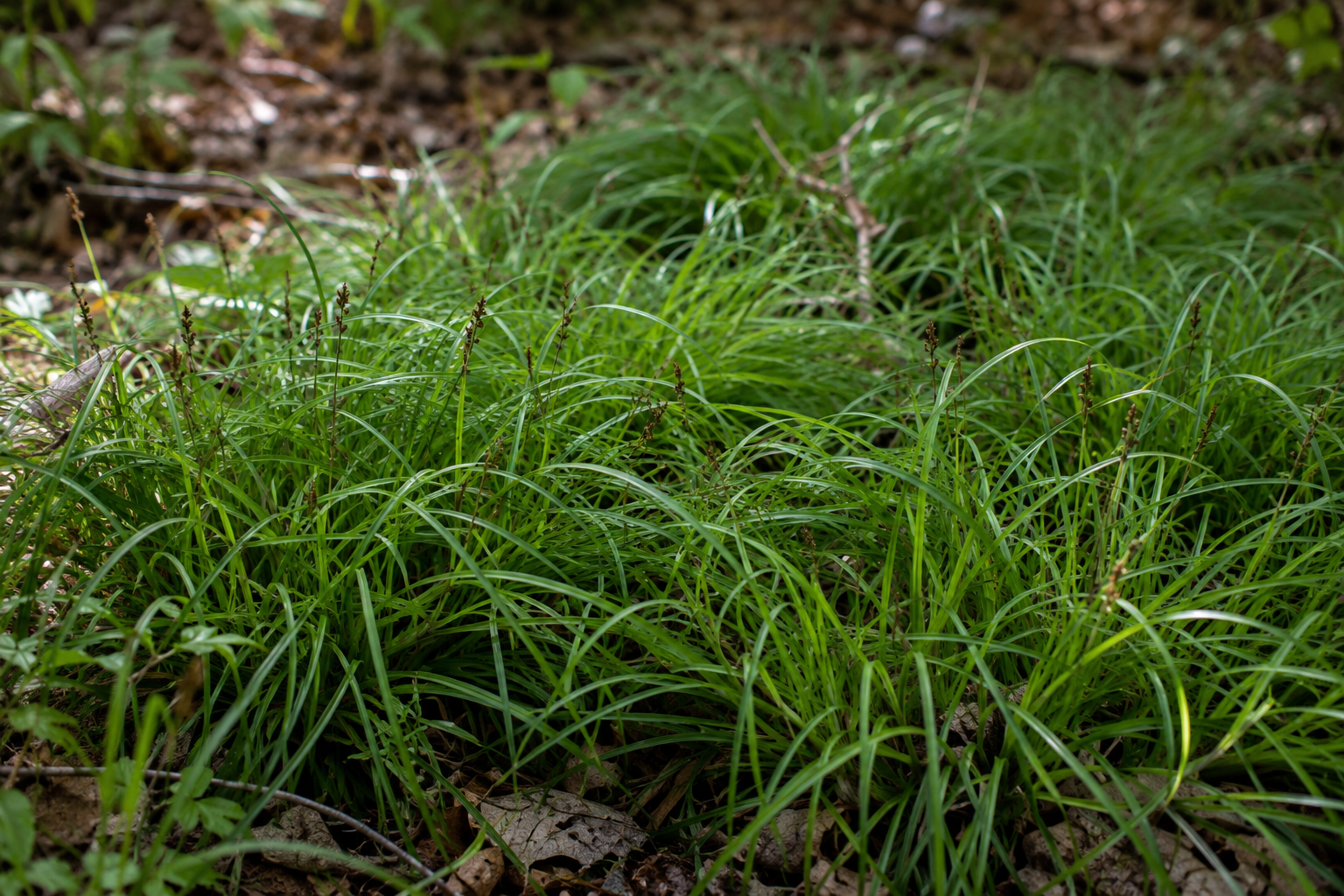
Pennsylvania Sedge
Carex pensylvanica
Fine-textured, low-growing sedge for shaded sites. Forms a dense groundcover that can substitute for lawn under trees. Deer resistant. Slow to spread but very long-lived. Strong landscape contractor demand for shaded woodland gardens and no-mow lawn alternatives.
Plug & quart sizes available
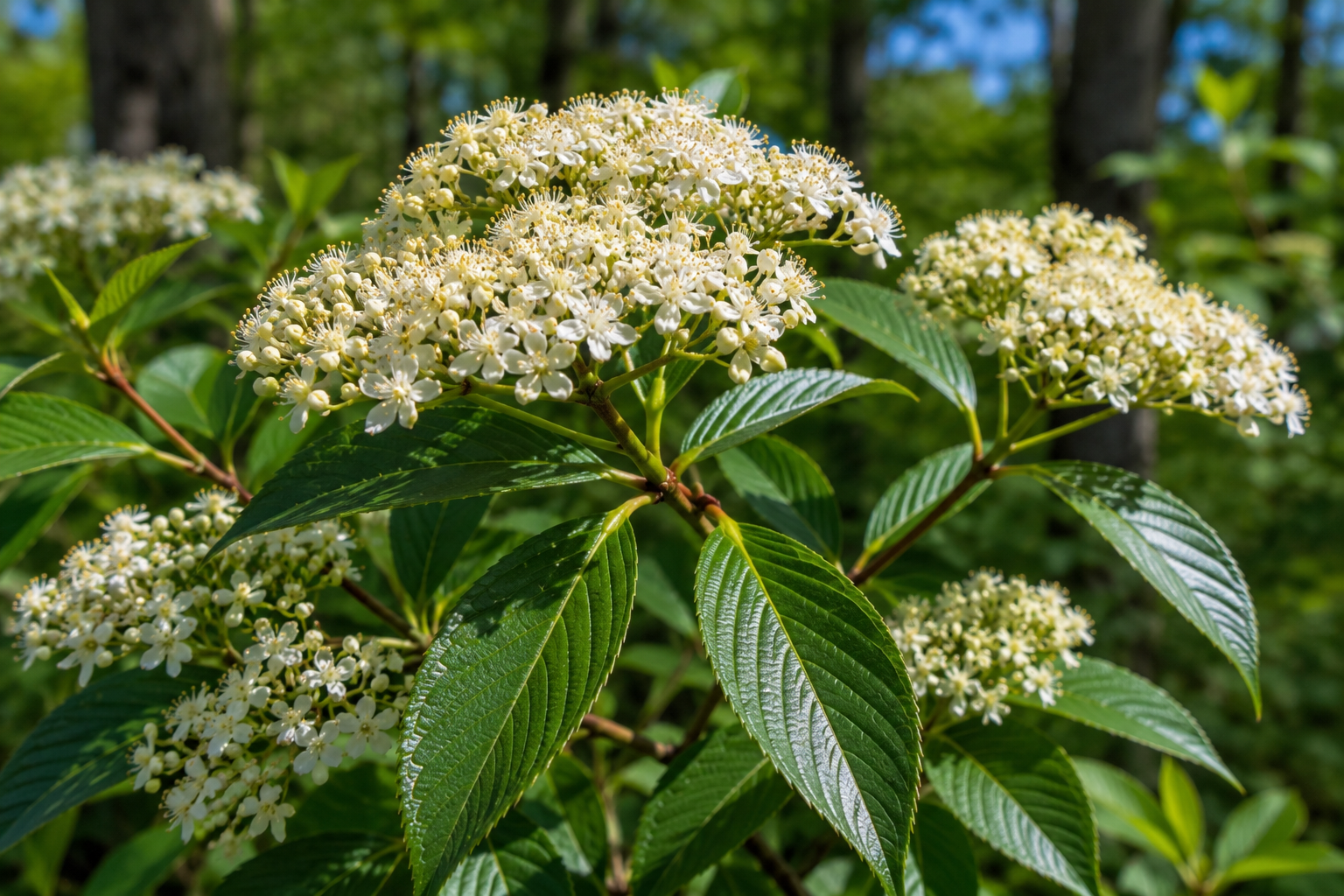
Nannyberry
Viburnum lentago
Large native viburnum reaching 10–15 feet. Creamy white flowers in May, blue-black berry clusters in fall, and burgundy-red fall color. Tolerates shade better than most fruiting shrubs. Excellent for woodland edge restoration and hedgerow screening.
Plug & quart sizes available
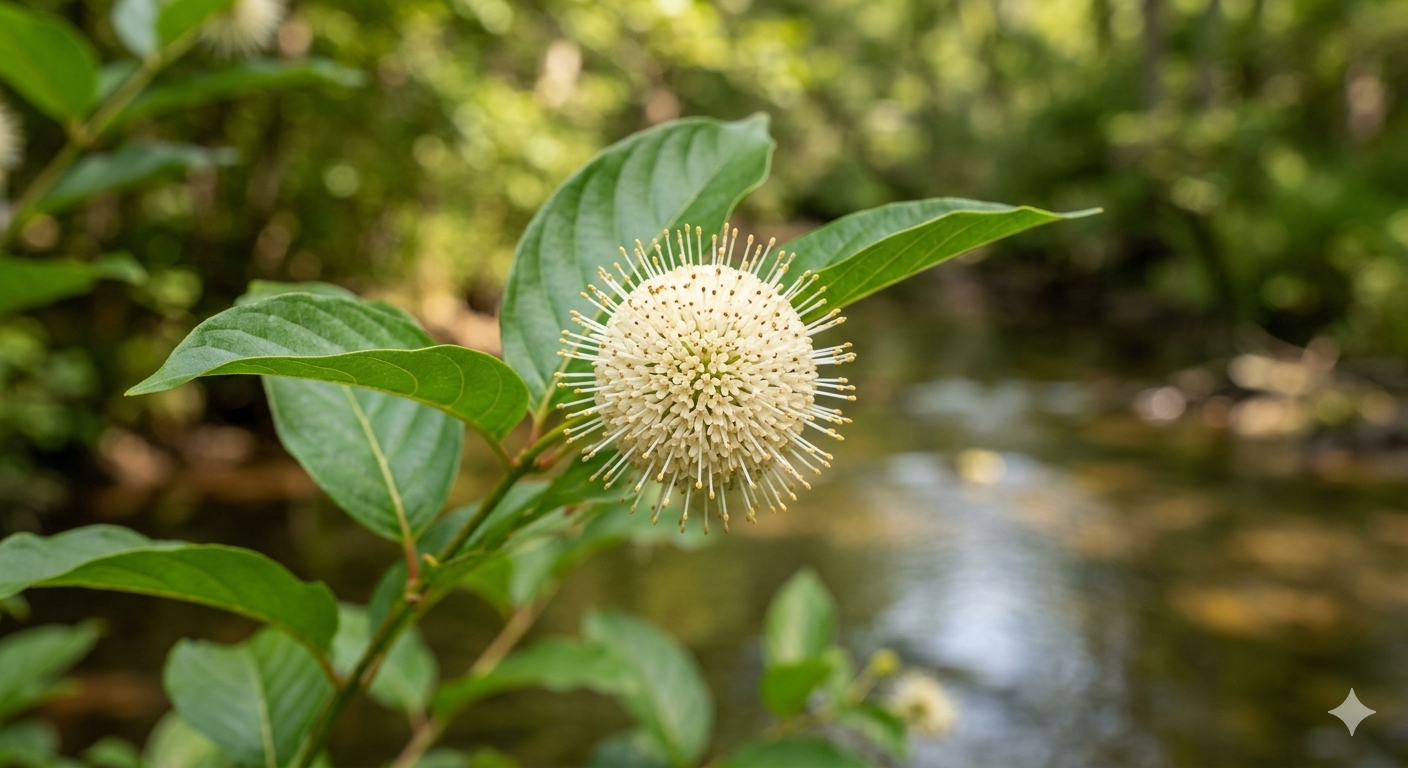
Buttonbush
Cephalanthus occidentalis
Wetland-obligate shrub with distinctive spherical white flower heads July–August. Butterfly magnet — adults use it as a nectar source all summer. Tolerates prolonged flooding (standing water for months). Essential for pond edge planting and stormwater basin stabilization.
Plug & quart sizes available
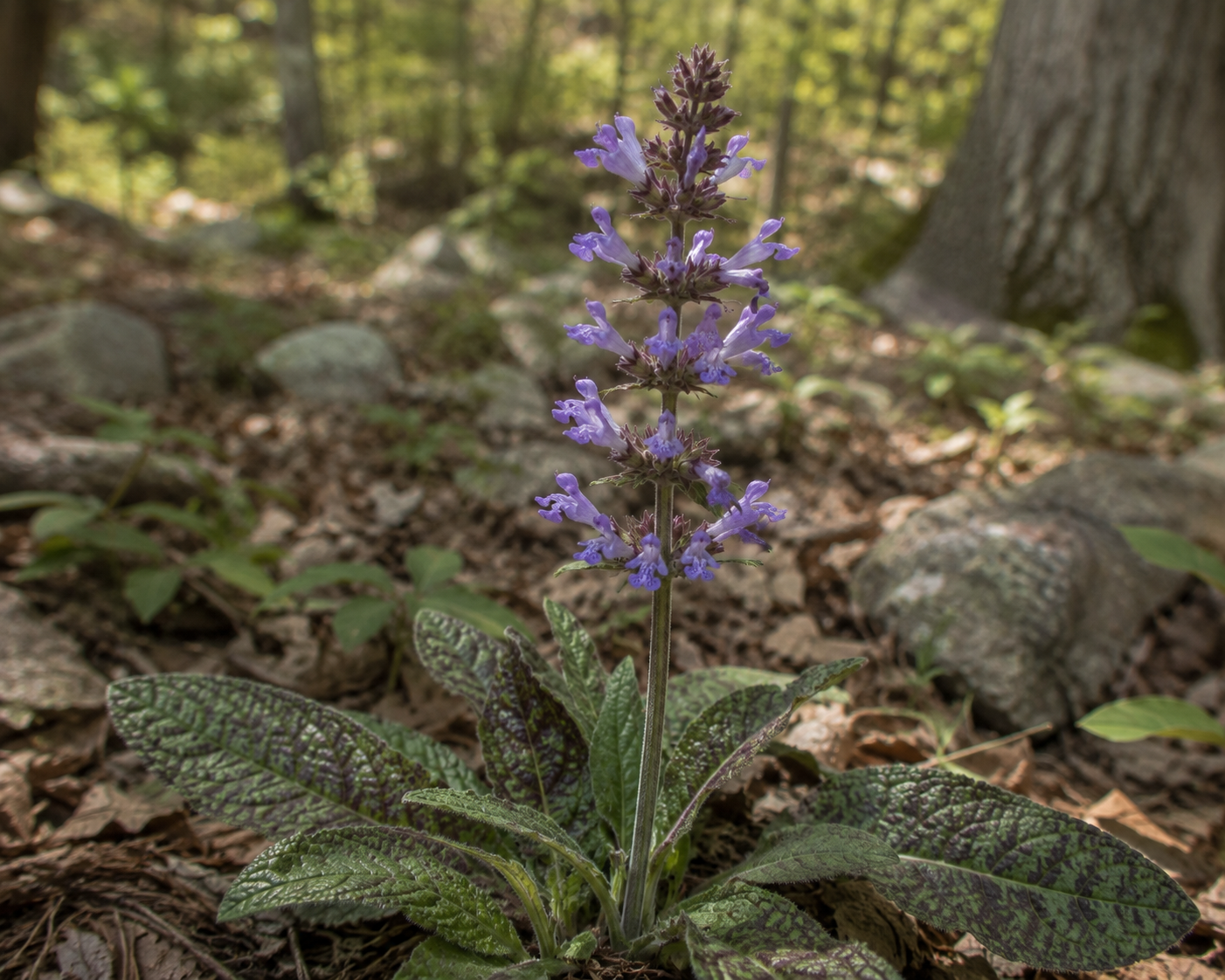
Lyre-Leaf Sage
Salvia lyrata
Blue-violet spring blooms March–May on a shade-tolerant, deer-resistant groundcover. One of the few native salvias that thrives in dappled shade under woodland canopy. Undersupplied in the regional market — strong B2B crossover with landscape contractors doing shaded slope work.
Plug & quart sizes available
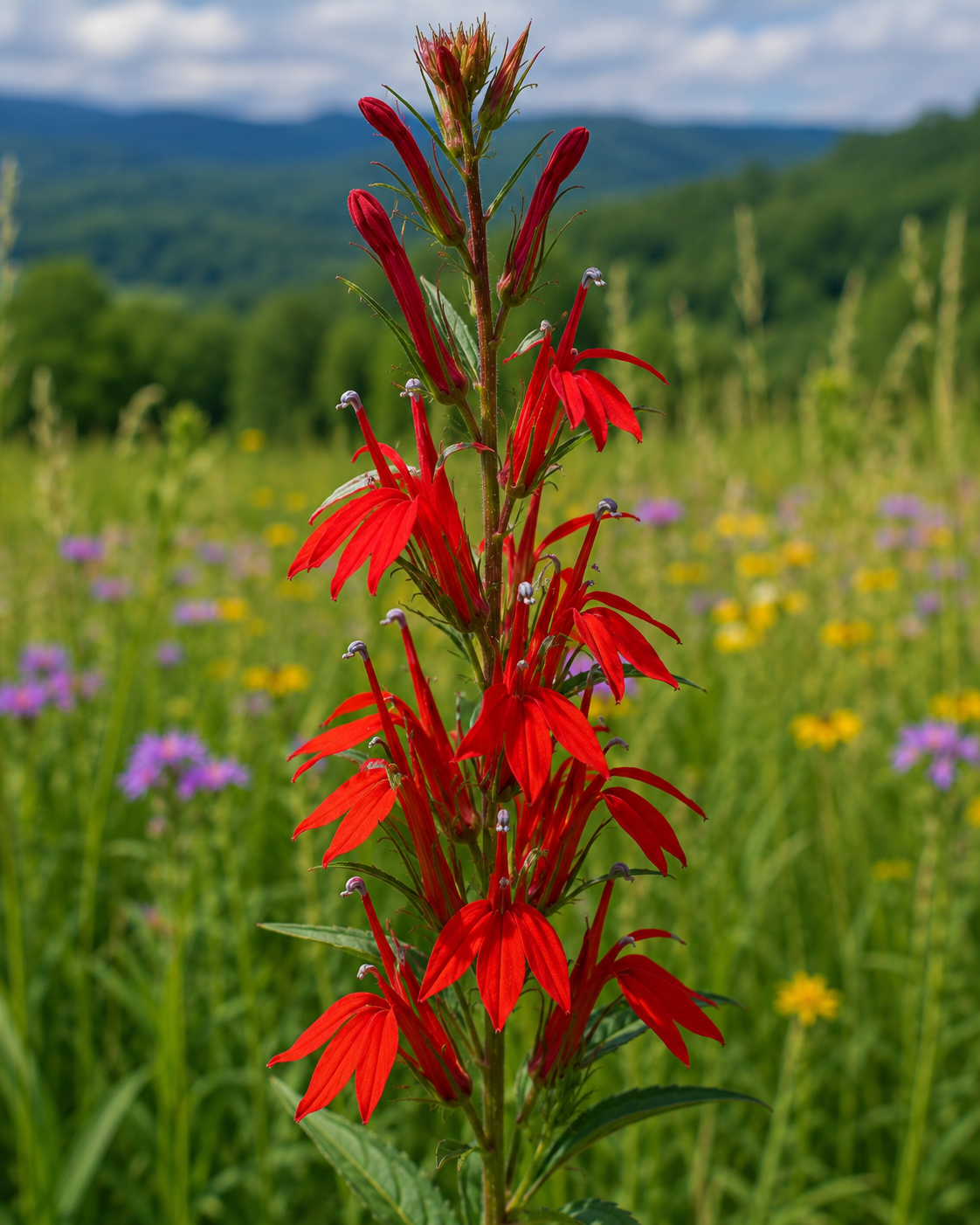
Cardinal Flower
Lobelia cardinalis
Brilliant red spikes July–September along streambanks and wet meadow edges. Primary hummingbird nectar plant in the region. Requires consistent moisture and some shade during the hottest part of the day. Short-lived but self-seeds reliably in good habitat.
Plug & quart sizes available
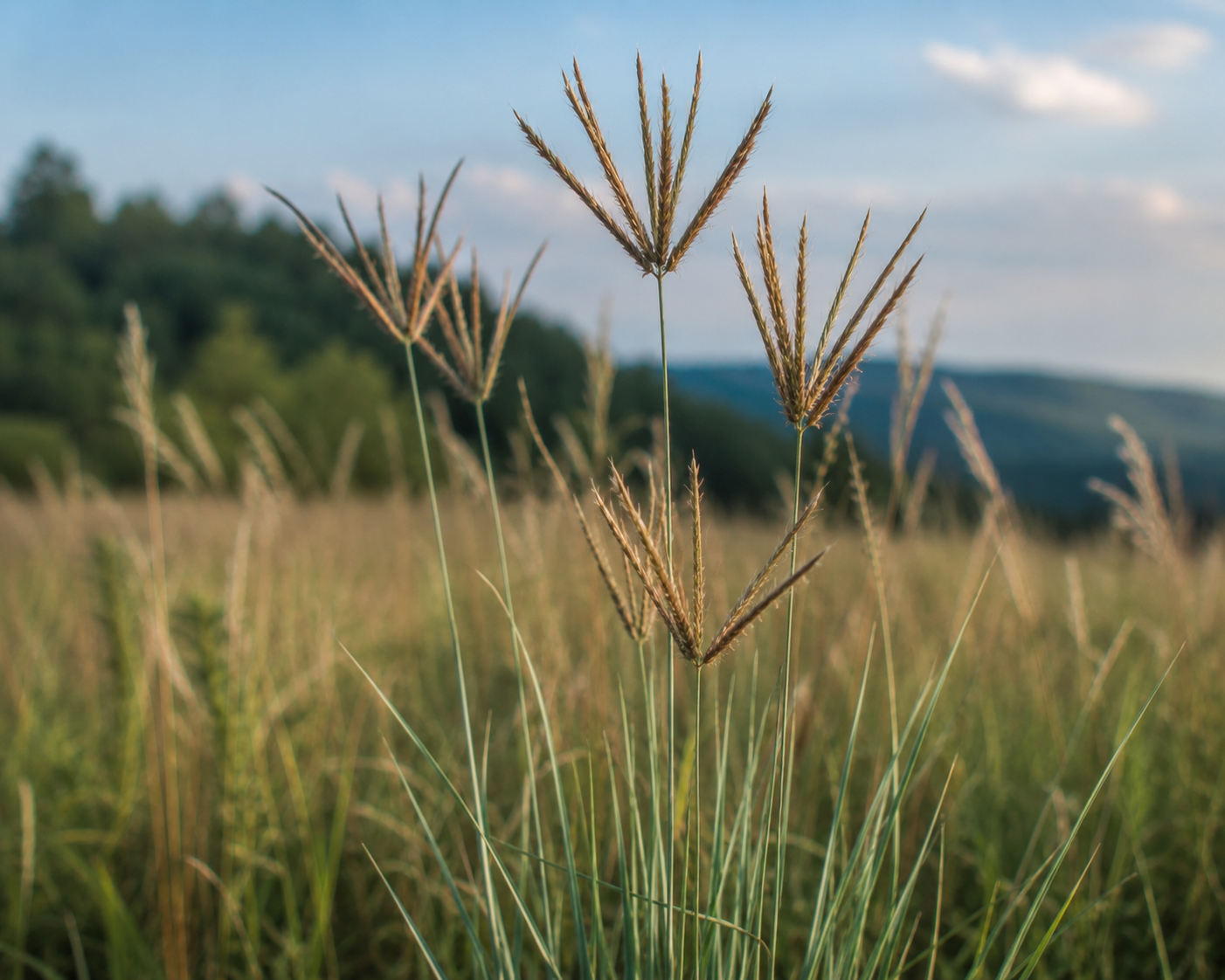
Big Bluestem
Andropogon gerardii
Iconic tall-grass prairie species reaching 5–7 feet. Turkey-foot seedheads in September. Deep fibrous roots sequester carbon and build soil structure. Essential for large-scale meadow and prairie restoration projects. Combines beautifully with Indian grass and native asters.
Plug & quart sizes available
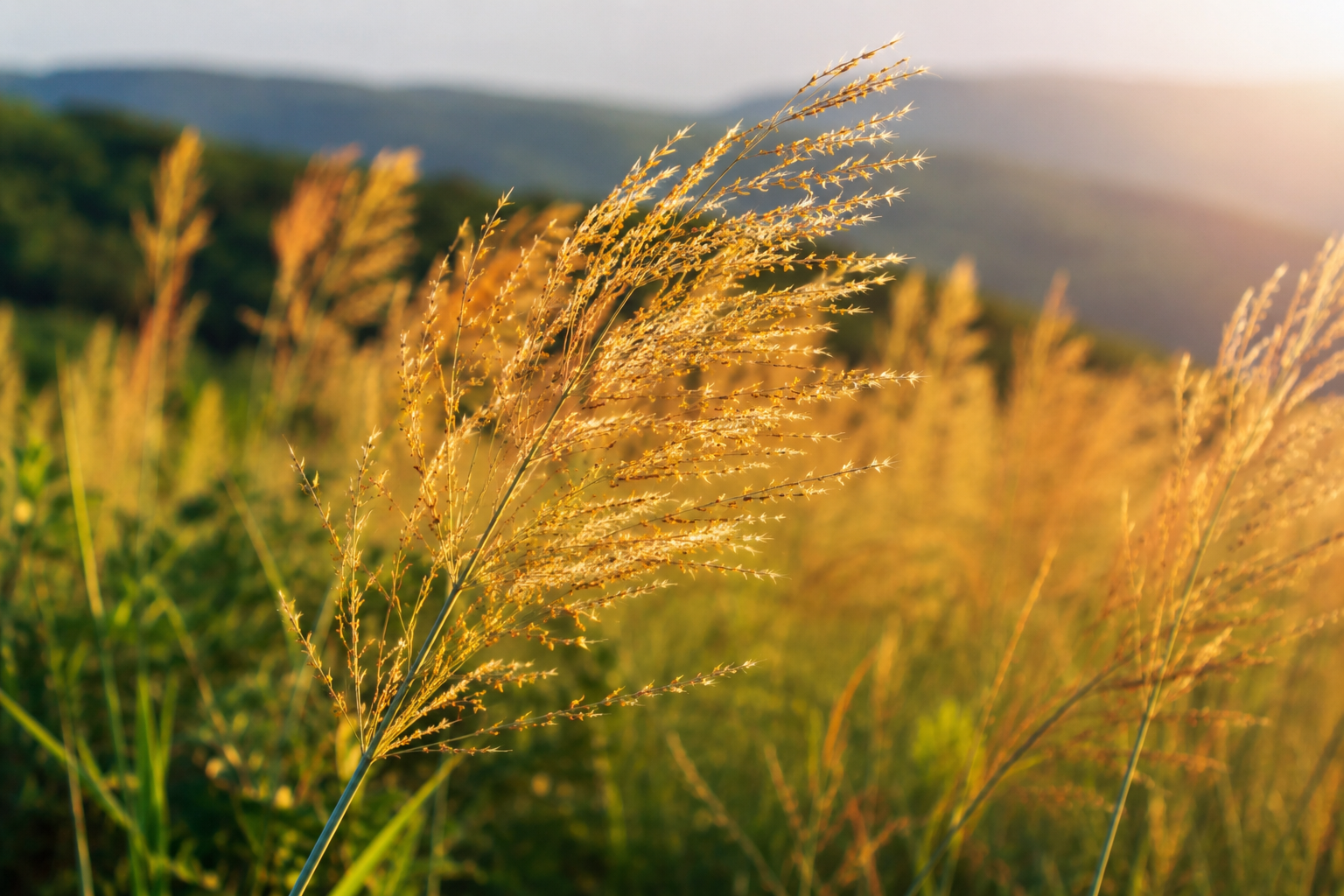
Indian Grass
Sorghastrum nutans
Tall warm-season grass with showy golden-bronze seedheads September–October. Pairs naturally with big bluestem in open meadow and prairie restorations. Provides excellent winter structure. Valued for NRCS meadow and pollinator habitat practices.
Plug & quart sizes available
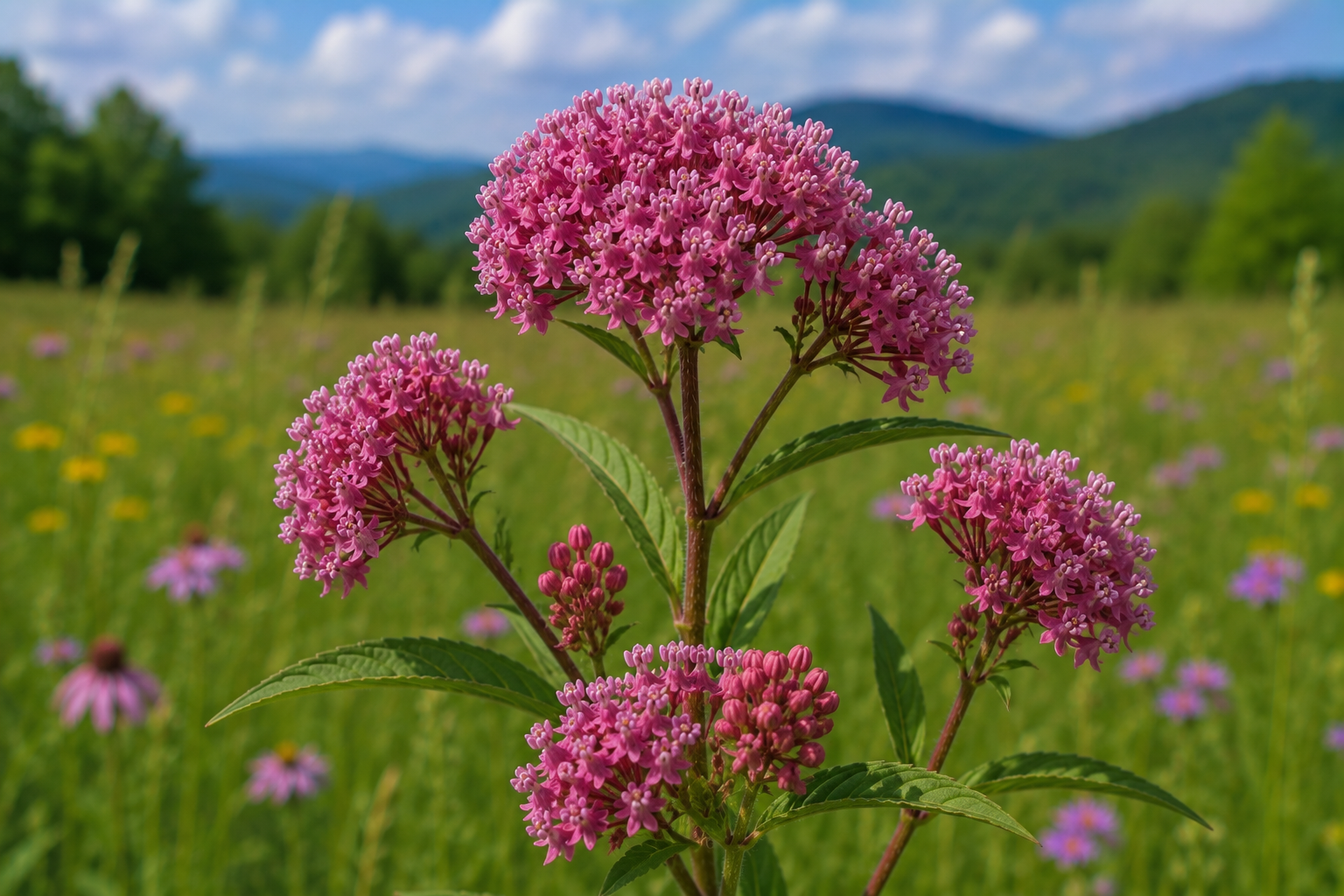
Swamp Milkweed
Asclepias incarnata
Pink milkweed for wet sites — pond edges, stormwater basins, riparian buffers. Monarch host plant that tolerates standing water. Easier to propagate than Asclepias tuberosa. Blooms July–August. Excellent for NRCS riparian practice standards.
Plug & quart sizes available
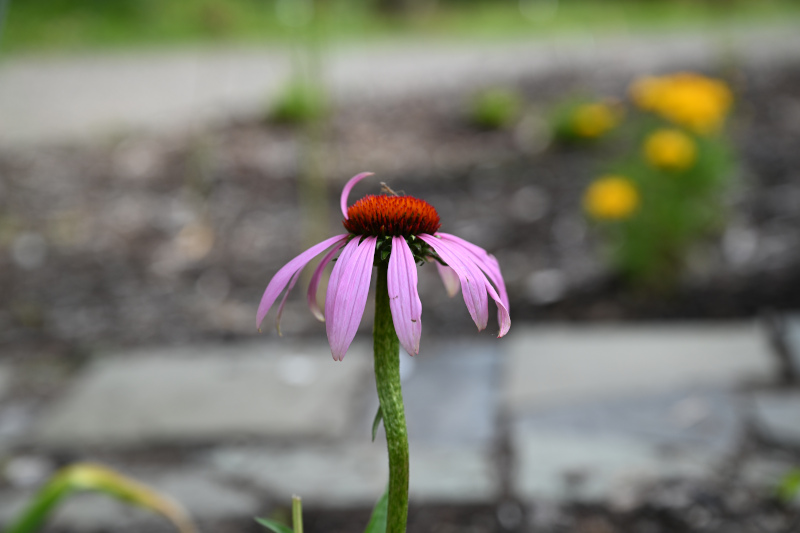
Purple Coneflower
Echinacea purpurea
Workhorse of the NRCS CP-42 pollinator mix and the highest-crossover native perennial in the landscape market. Blooms June–September, deer resistant, drought tolerant once established. Ecotype sourced from Ernst parent beds — documented Ridge-and-Valley provenance.
Plug & quart sizes available
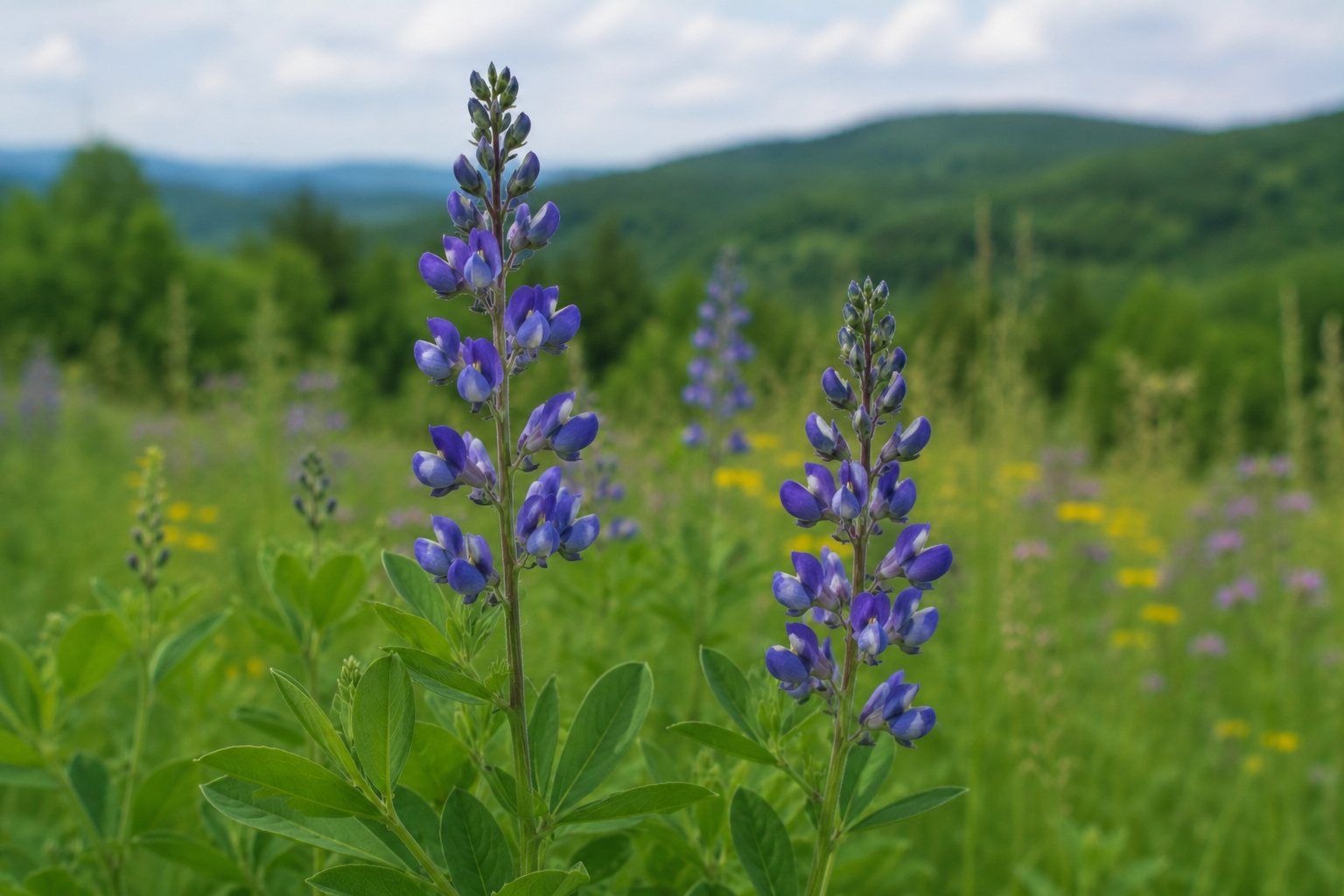
Blue Wild Indigo
Baptisia australis
Striking blue-purple flower spikes in May–June, followed by ornamental seed pods. Nitrogen-fixing legume that improves soil. Slow to establish (2–3 seasons to bloom) but extremely long-lived. Strong retail demand — landscape designers love it.
Plug & quart sizes available
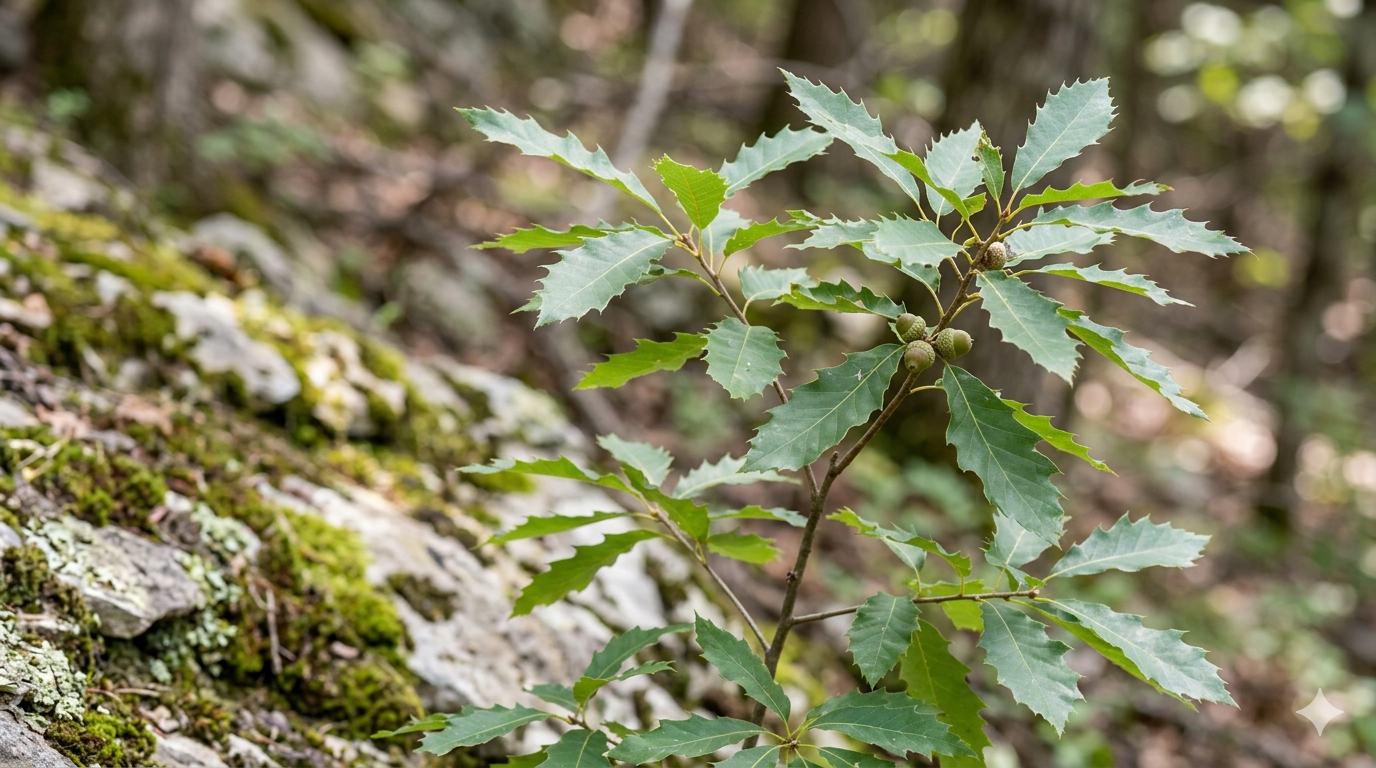
Chinkapin Oak
Quercus muehlenbergii
Limestone-associated oak with distinctive toothed leaves resembling chestnut. Less common in nursery trade — strong demand from NRCS contractors working on limestone-derived soils. Sweet acorns preferred by deer and turkey. Check property for existing plants before sourcing from Ernst.
Plug & quart sizes available
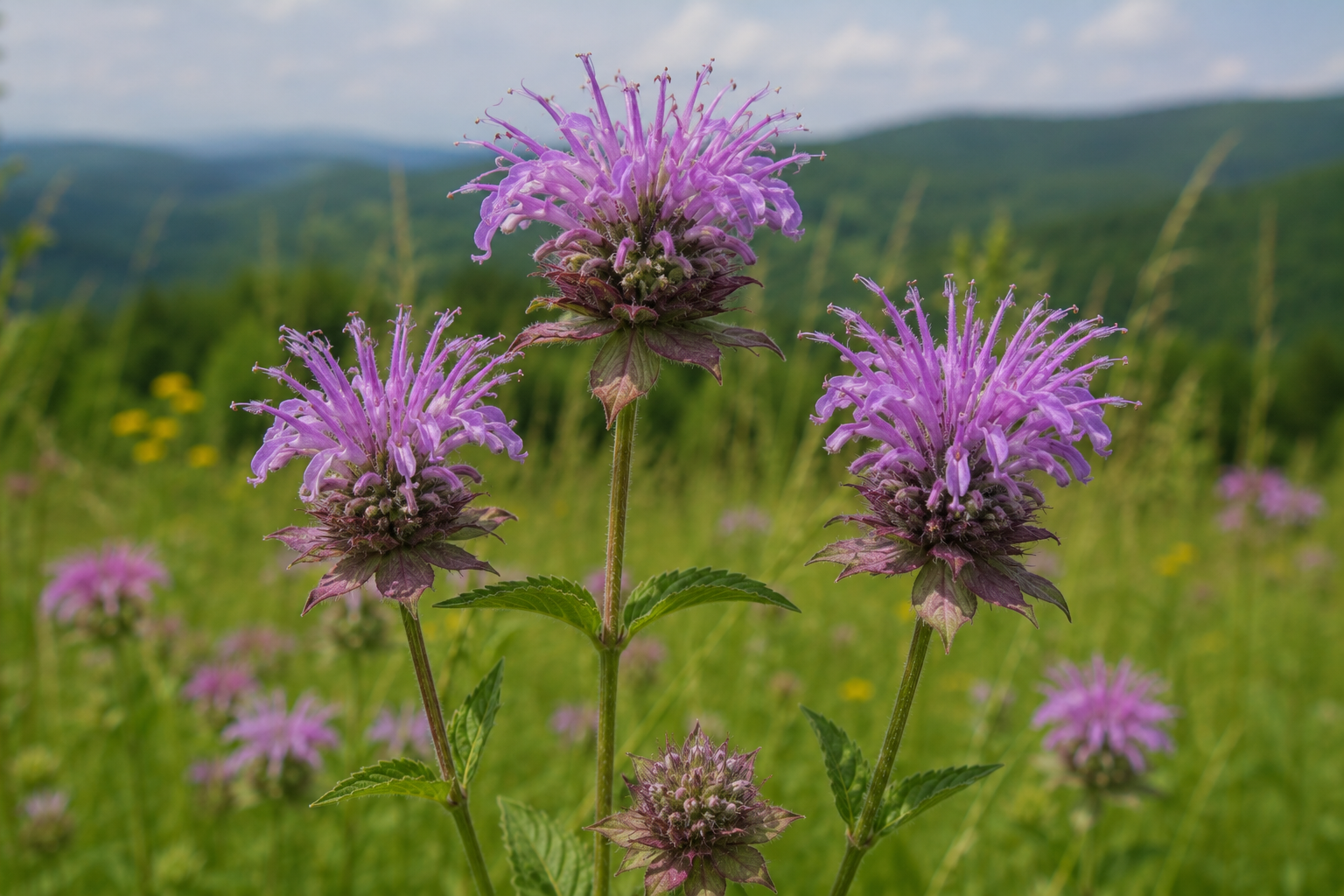
Wild Bergamot
Monarda fistulosa
Fragrant lavender-pink blooms July–August. Top pollinator plant for native bees, butterflies, and hummingbirds. Spreads by rhizome to fill gaps. Deer resistant. NRCS practice-spec favorite for pollinator corridors and buffer strips.
Plug & quart sizes available
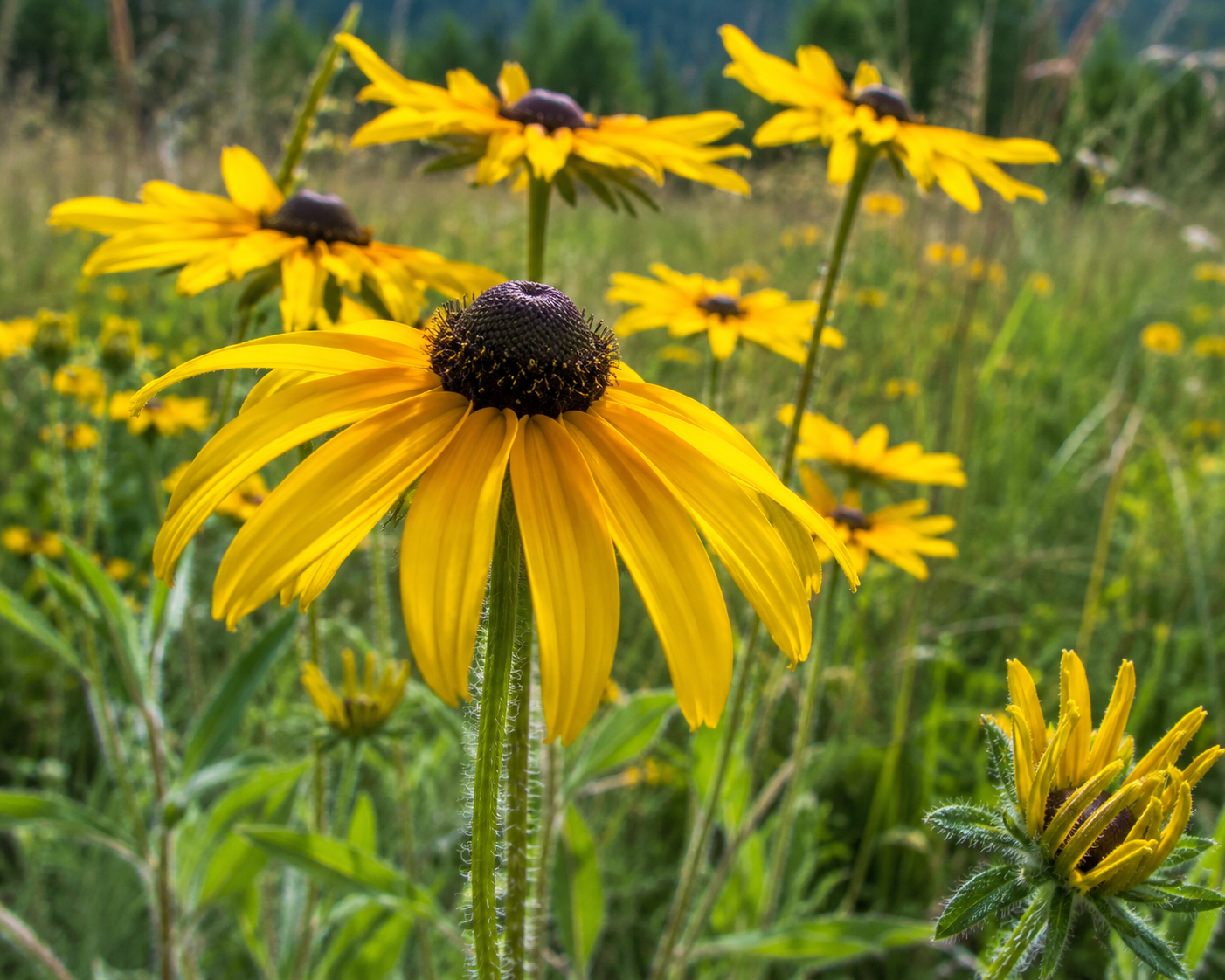
Black-Eyed Susan
Rudbeckia hirta
Biennial to short-lived perennial. Blooms June–September with golden-yellow daisy flowers. High-volume NRCS conservation species, first-year bloom from plug. Self-seeding where conditions suit. Works in almost any dry-to-mesic restoration context. Extremely cost-effective.
Plug & quart sizes available
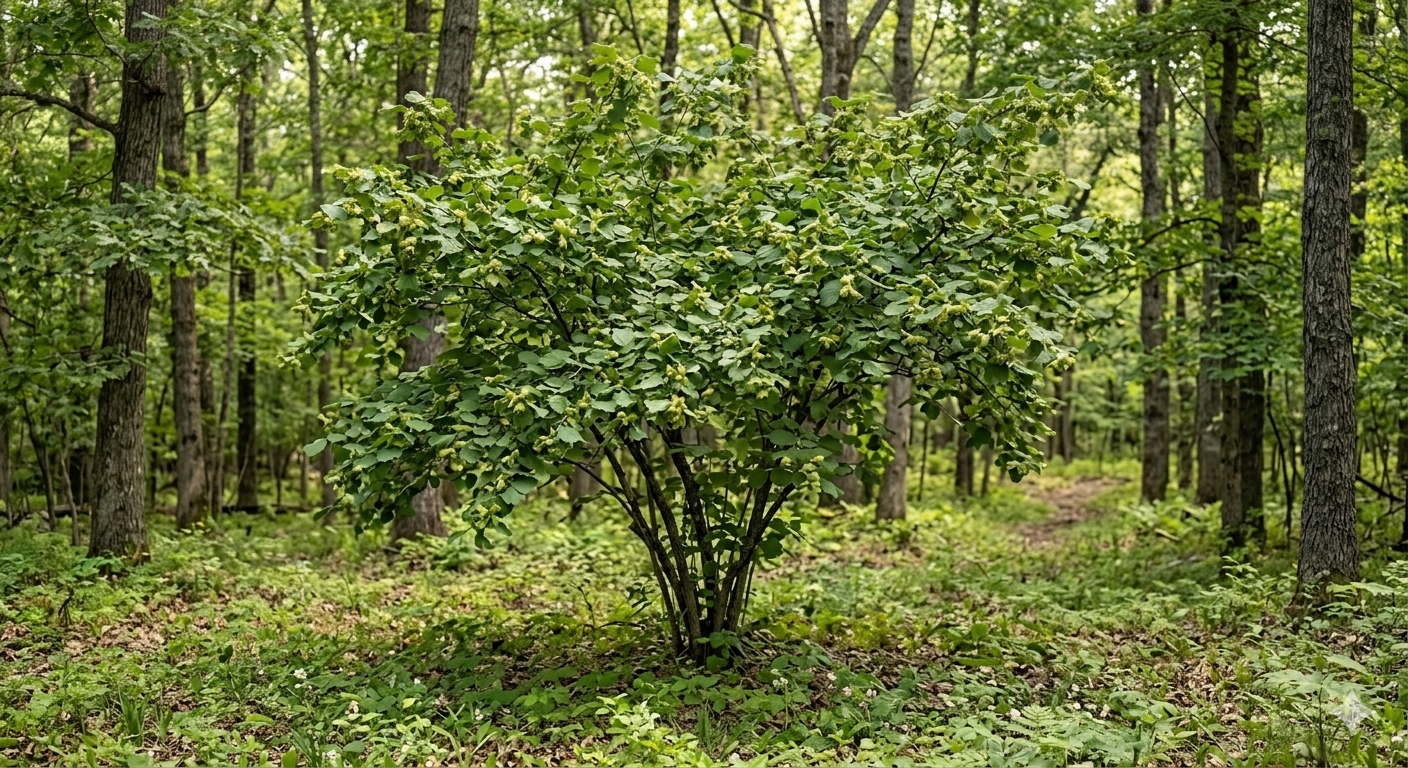
American Hazelnut (Tree Form)
Corylus americana
Single-stem or lightly pruned tree form of American hazelnut for conservation contractor specs listing it at tree scale. Same species as the shrub listing — specify form at order. NRCS riparian and reforestation practice standby.
Plug & quart sizes available
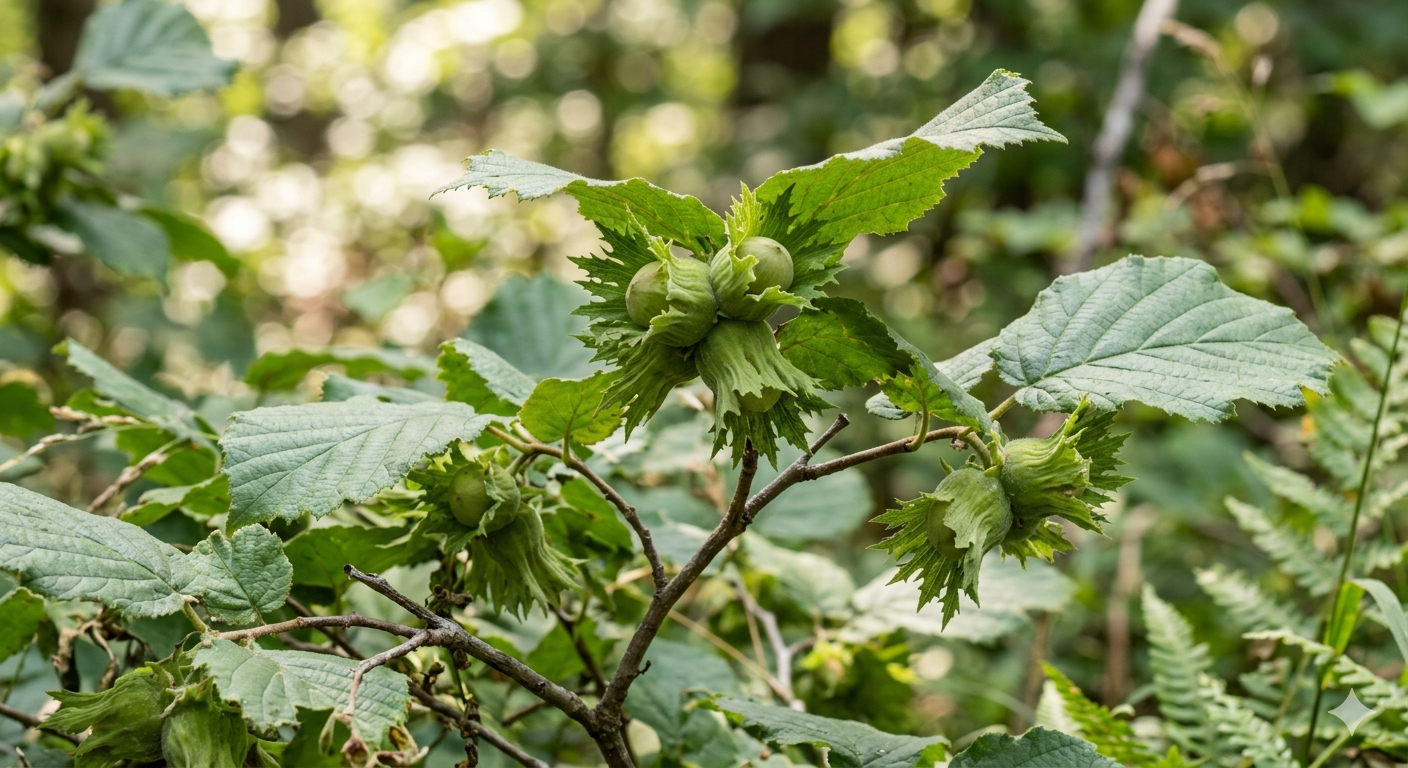
American Hazelnut
Corylus americana
Thicket-forming shrub for hedgerows and riparian buffers. Edible nuts ripen in late August — significant wildlife value. Catkins provide early pollen for native bees. Nitrogen-fixing root associations. Propagates from root sprouts and hardwood cuttings. NRCS riparian buffer practice.
Plug & quart sizes available
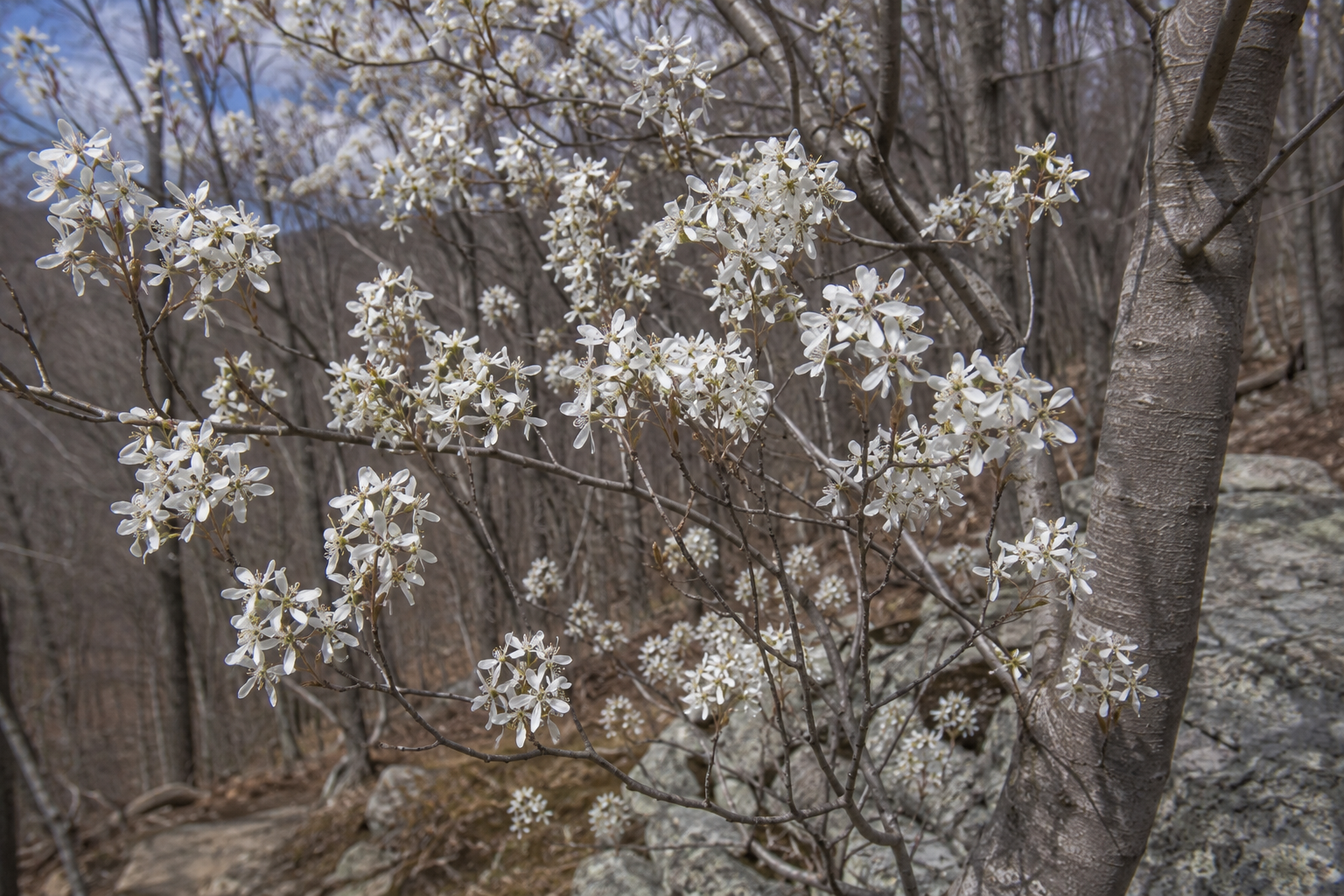
Serviceberry
Amelanchier spp.
Four-season interest: white flowers in April before leaf-out, sweet blue-purple berries in June, brilliant red-orange fall color, and attractive gray bark in winter. Deer resistant. Strong landscape demand. Birds strip the berries immediately. Multi-stem shrub form available.
Plug & quart sizes available
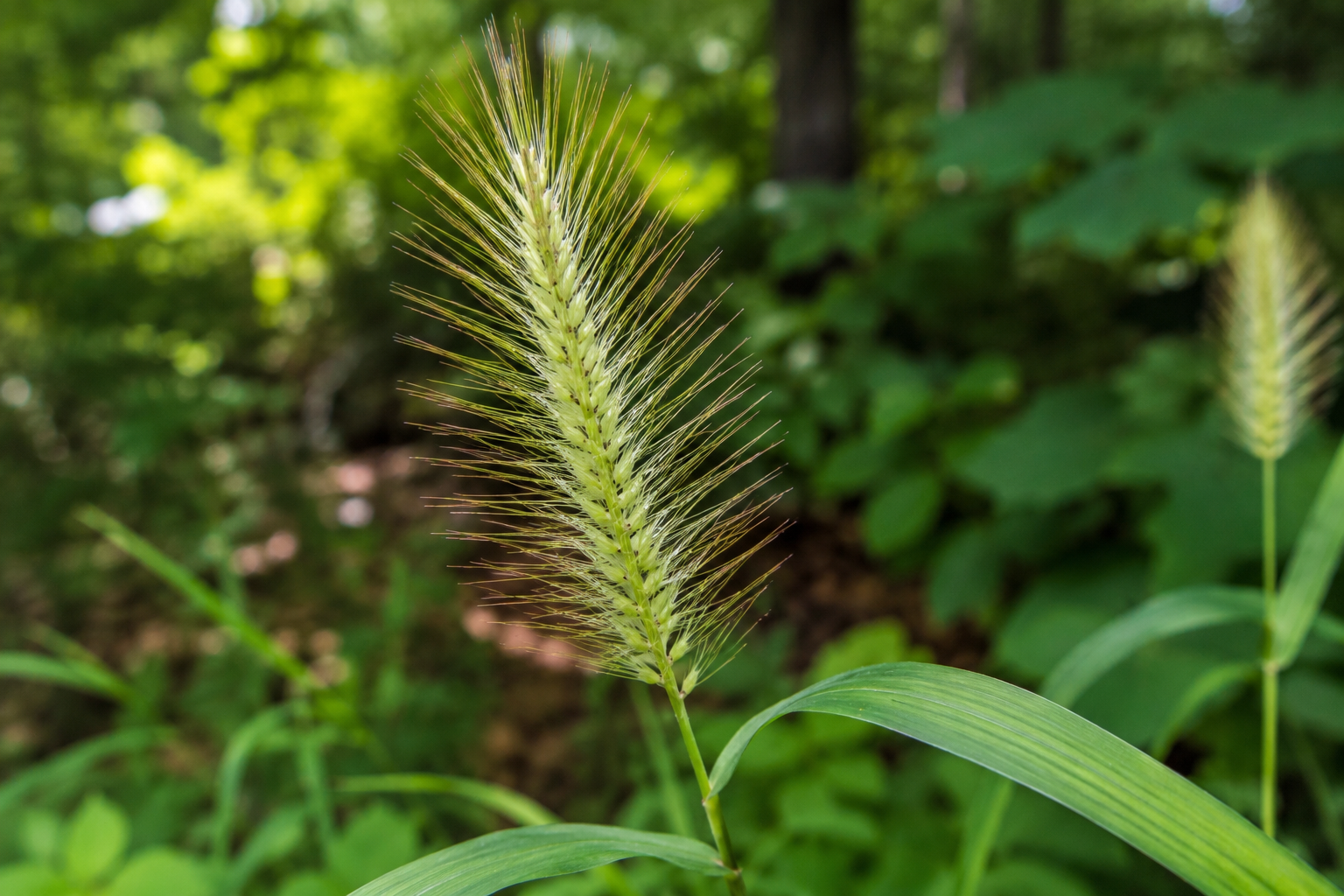
Bottlebrush Grass
Elymus hystrix
Shade-tolerant cool-season grass with distinctive bottlebrush seedheads in June–July. Ideal for woodland understory restoration and shaded stormwater areas. One of the few native grasses that thrives under canopy. On-property forest edges are a collection source.
Plug & quart sizes available
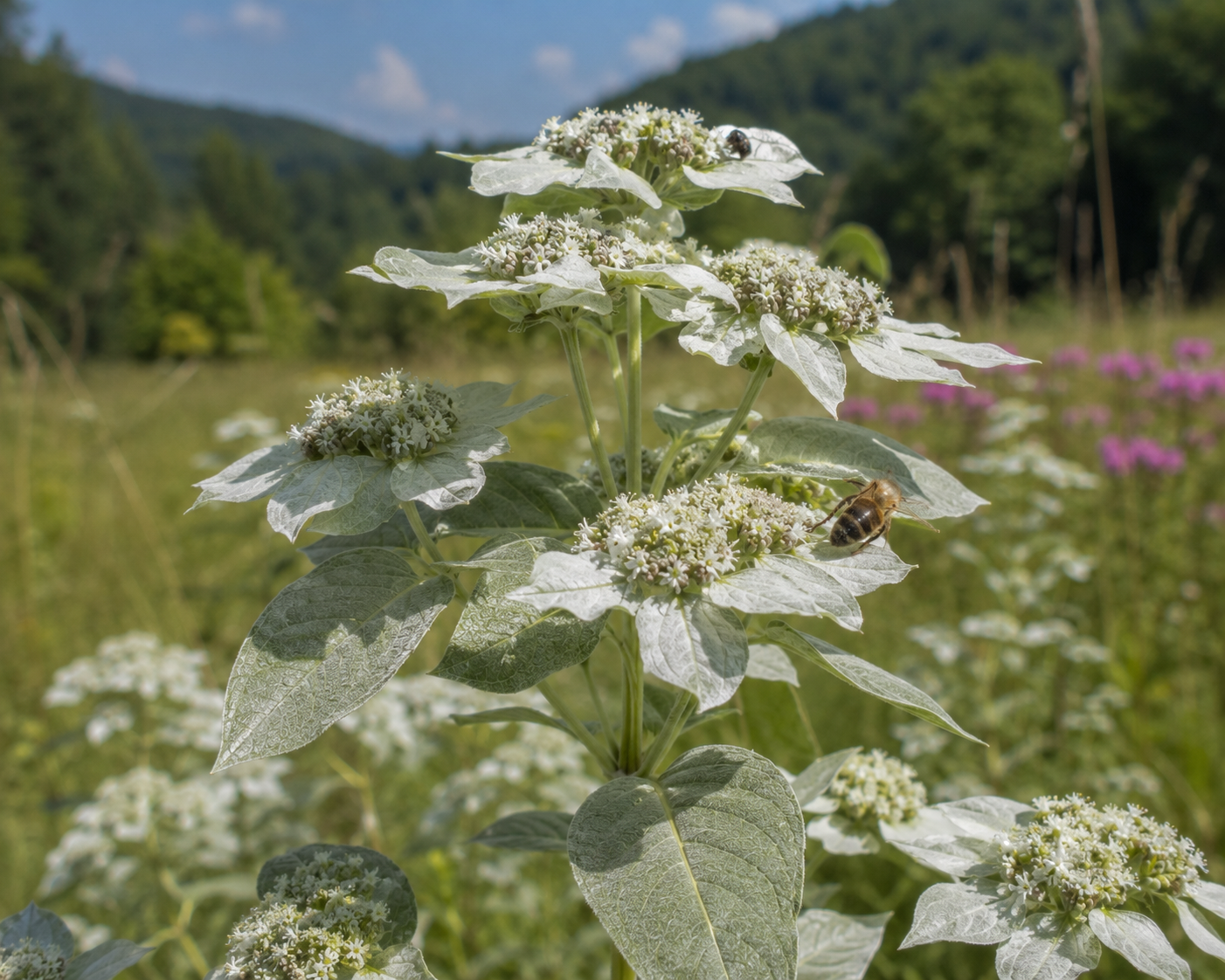
Mountain Mint
Pycnanthemum muticum
Perhaps the single best pollinator perennial for the mid-Atlantic. Broad flattened flower heads July–September covered in native bees. Fragrant silver foliage. Spreads by rhizome to form weed-suppressing colonies. Excellent for bioretention cells, wet meadows, and stormwater gardens.
Plug & quart sizes available
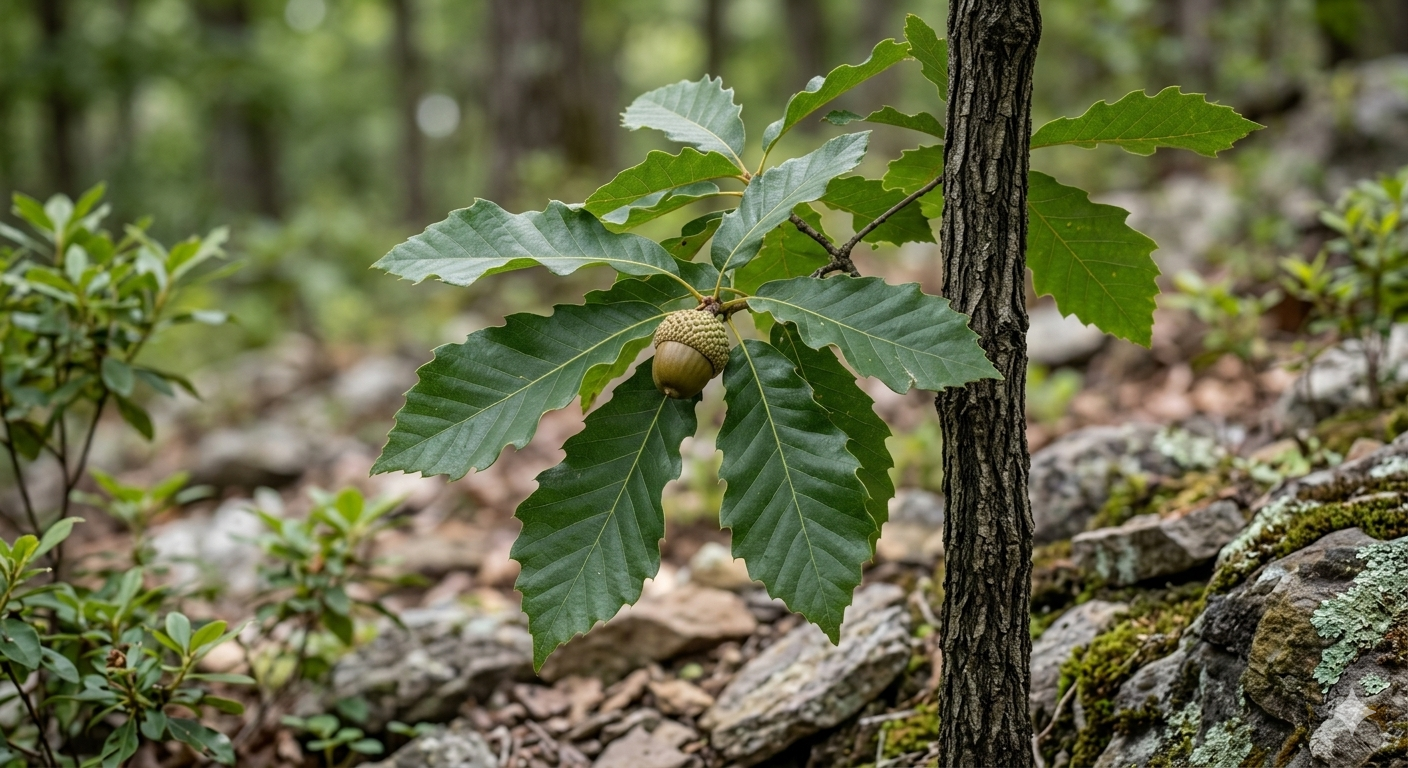
Chestnut Oak
Quercus montana
The defining tree of our specific ridgetop landscape. Massive corrugated bark. Large acorns highly preferred by deer and wild turkey. Tolerates thin, rocky, and xeric soils better than any other eastern oak. Our on-property trees represent a locally-adapted ridgetop ecotype unavailable from flat-ground nurseries.
Plug & quart sizes available
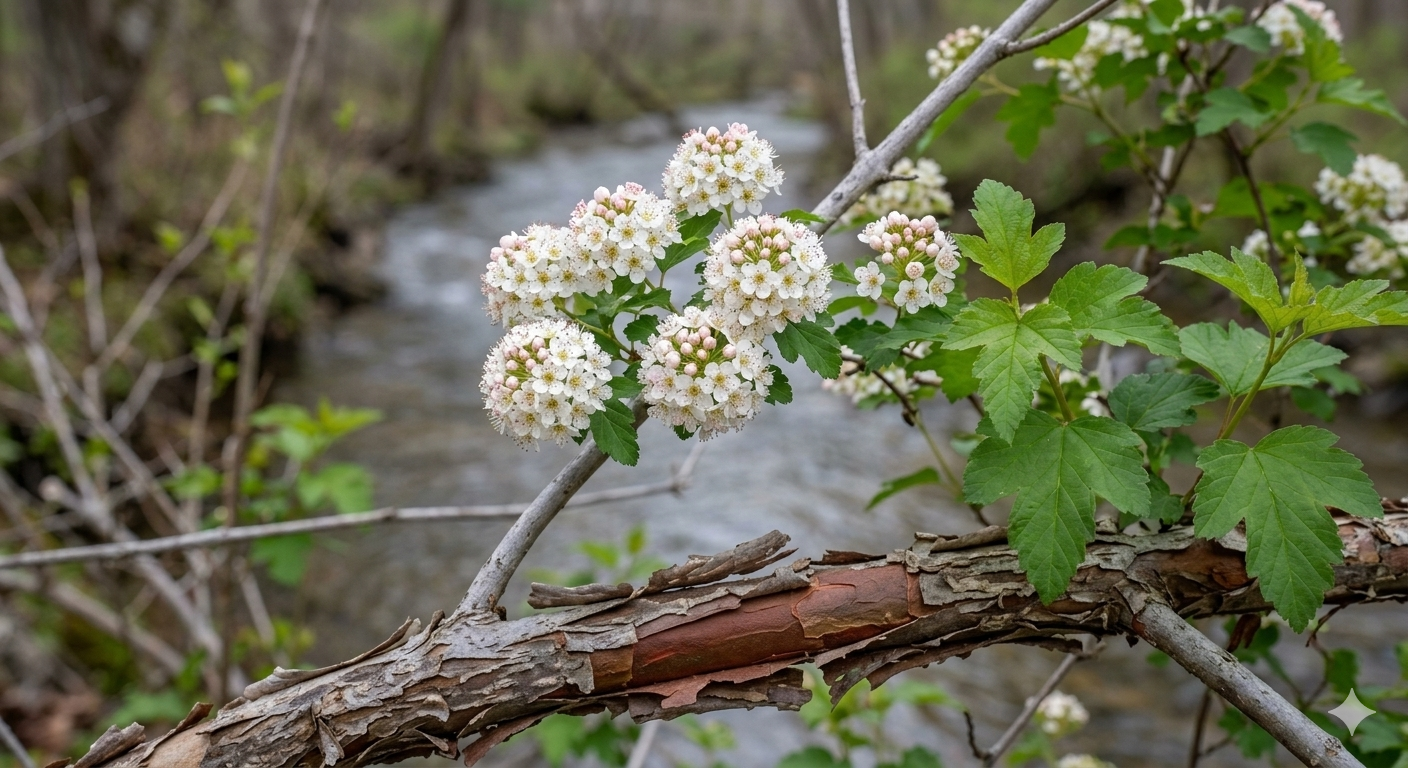
Ninebark
Physocarpus opulifolius
Extremely adaptable native shrub for almost any site condition — wet to dry, sun to part shade. Exfoliating cinnamon-colored bark provides winter interest. White flowers in June. Deer resistant. One of the best NRCS streambank and buffer species due to its tolerance of disturbed soils and variable drainage.
Plug & quart sizes available
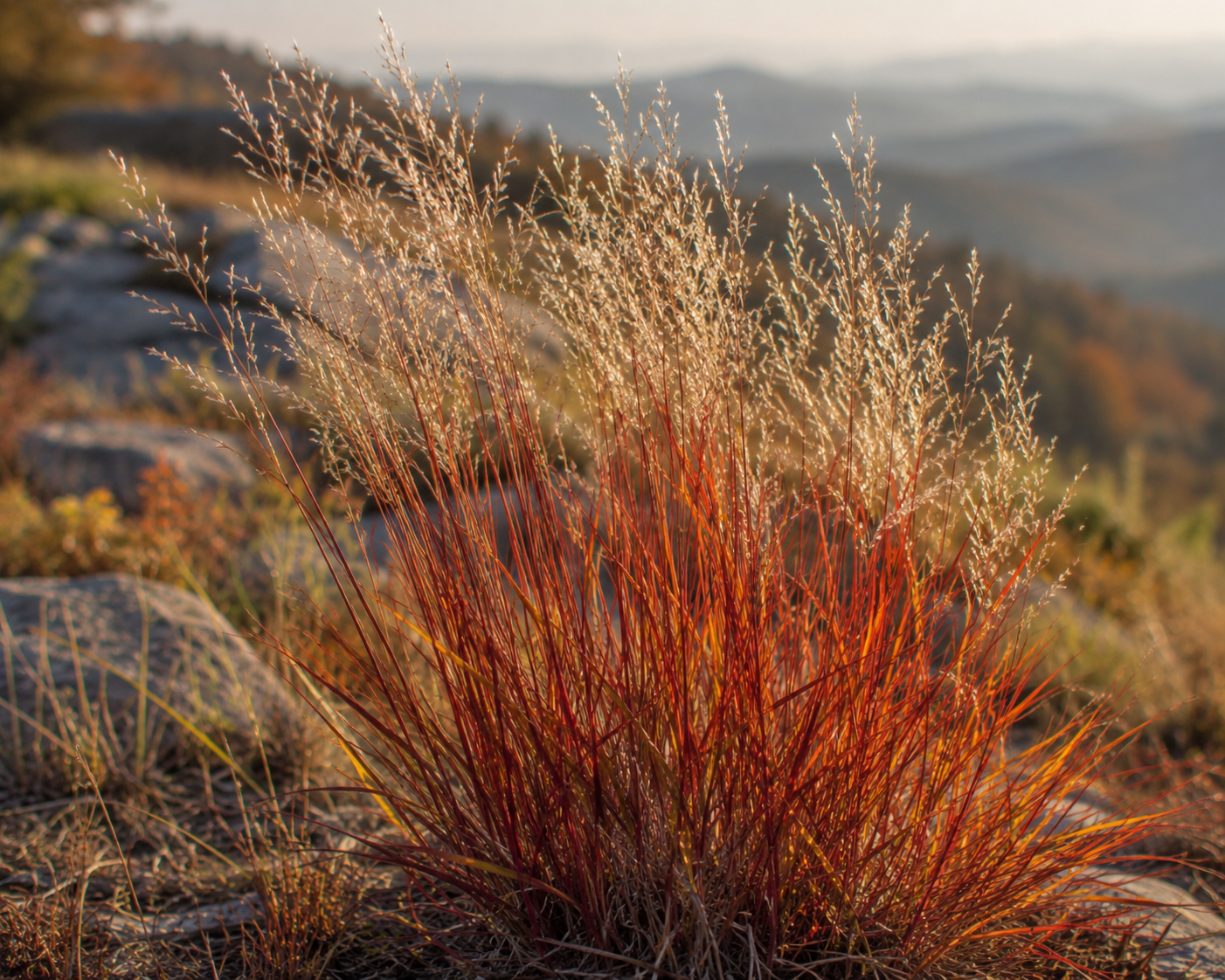
Little Bluestem
Schizachyrium scoparium
The standard of the native grass market. Rust-red and copper fall color persists through winter. Deer resistant, drought tolerant, and adaptable to thin or rocky soils. Highest landscape crossover of any native warm-season grass. Ridge-and-Valley ecotype from Ernst — provenance matched to our region.
Plug & quart sizes available
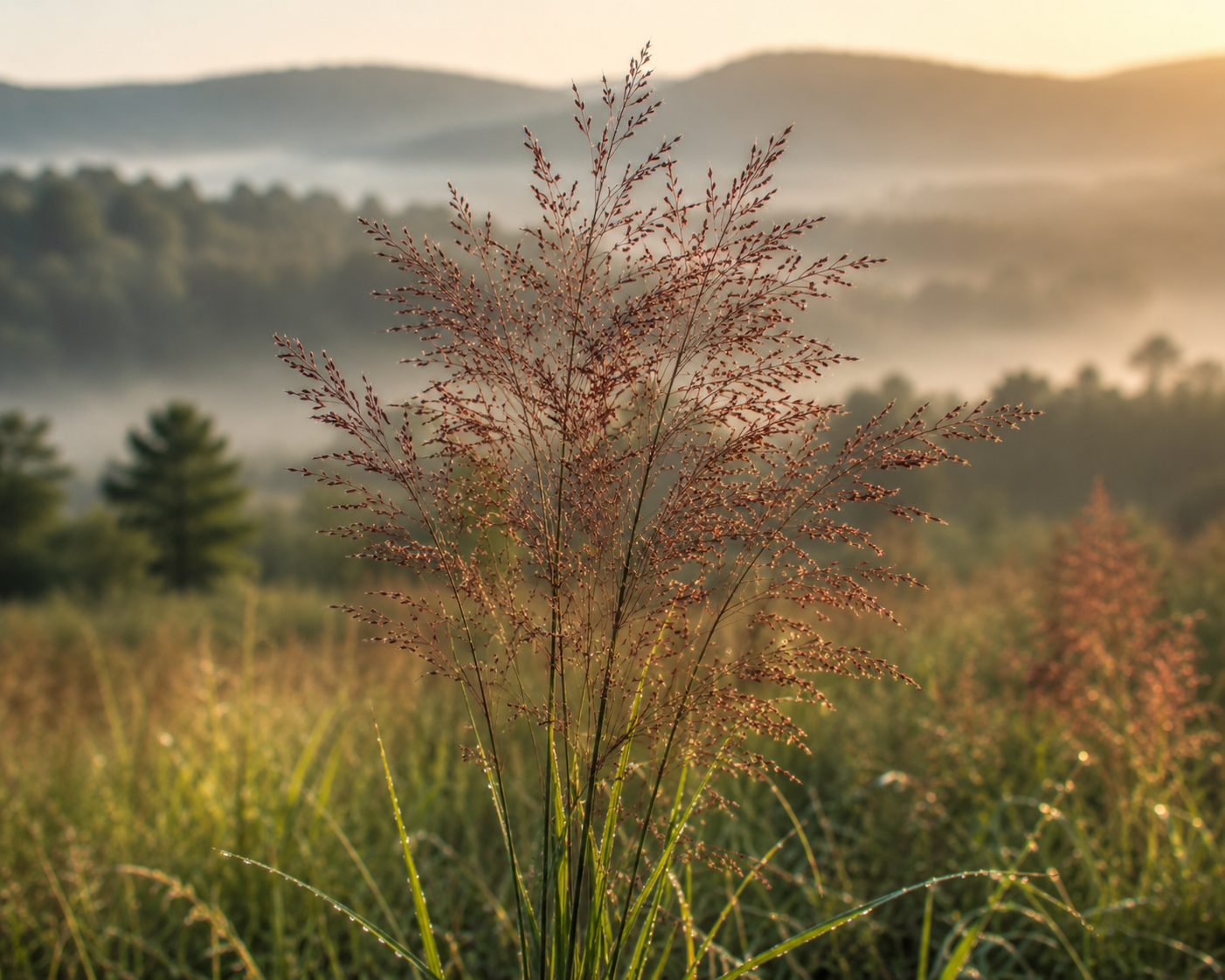
Switchgrass
Panicum virgatum
The most adaptable native warm-season grass — tolerates dry, mesic, and wet soils, full sun to light shade. NRCS erosion-control and filter-strip staple. Open, airy seedheads September–October. Red fall color on some ecotypes. Valuable for ground-nesting birds and small mammals.
Plug & quart sizes available
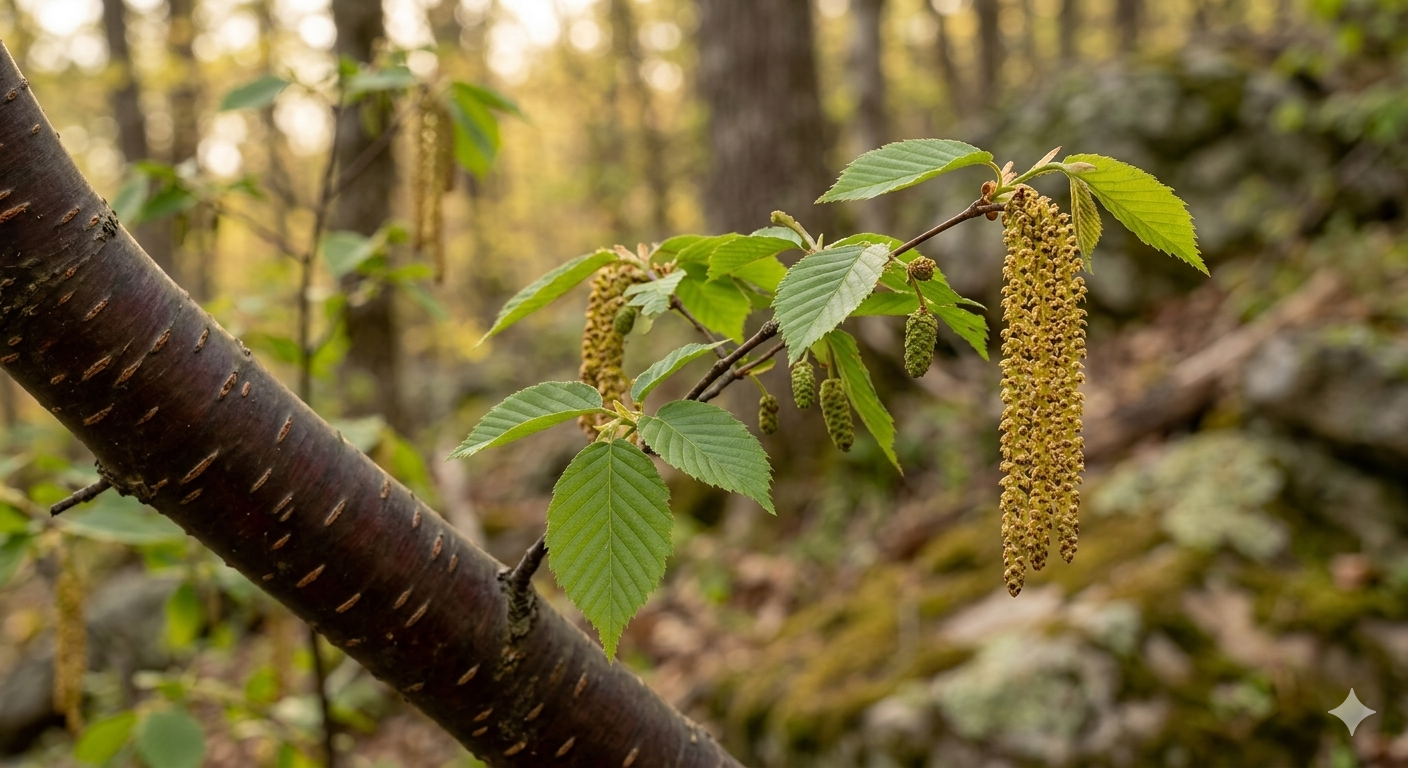
Sweet / Black Birch
Betula lenta
Characteristic Appalachian streamside and north-slope tree. Wintergreen-scented bark and twigs (break a small twig and smell). Provides fine catkins for native bees early spring. Exfoliating mature bark similar to black cherry. Moderate conservation demand where locally native. On-property trees are a provenance source.
Plug & quart sizes available
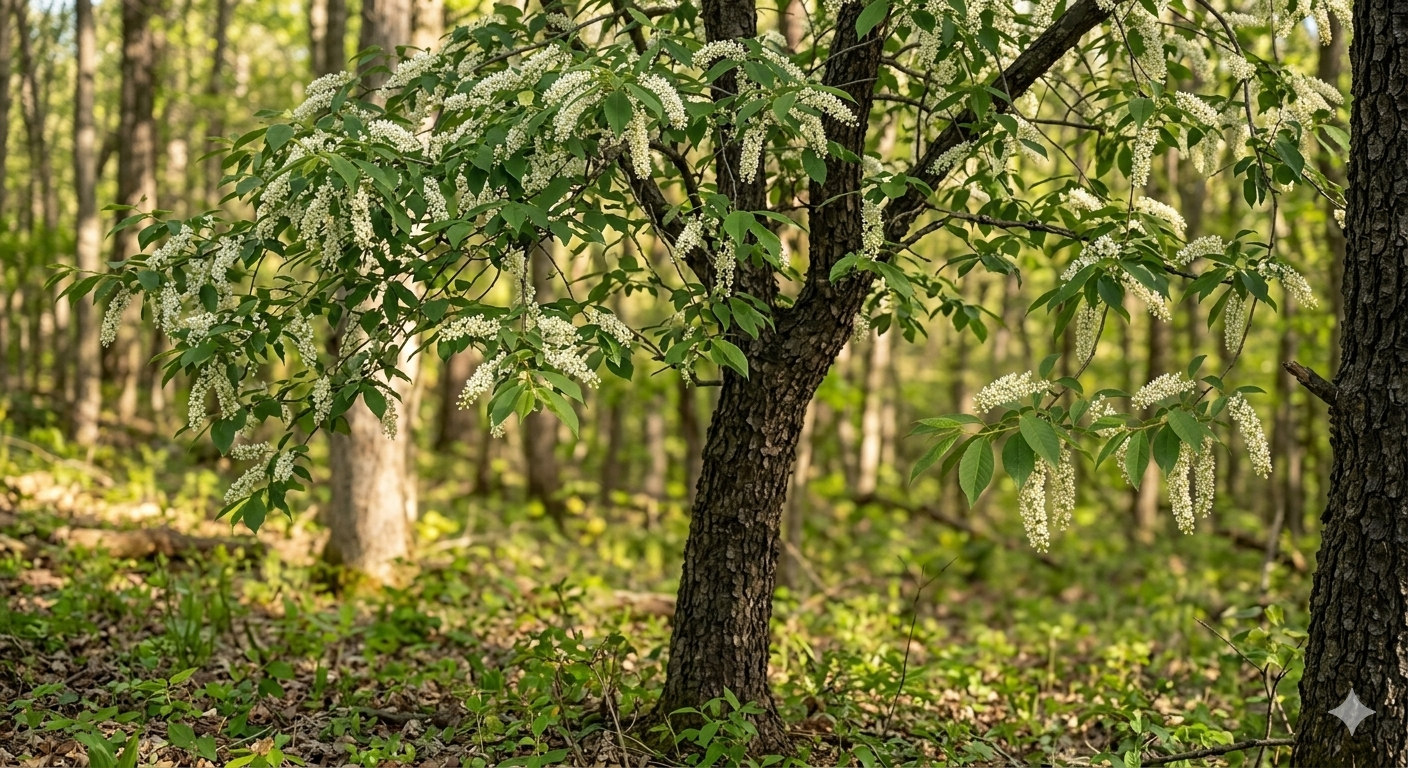
Black Cherry
Prunus serotina
Abundant on-property with readily available seed. White flower racemes in May, small black cherries in August — the single most important late-summer food source for migrating songbirds. Fast-growing with attractive dark plated bark at maturity. Lower price point given abundance; good volume filler for large reforestation projects.
Plug & quart sizes available
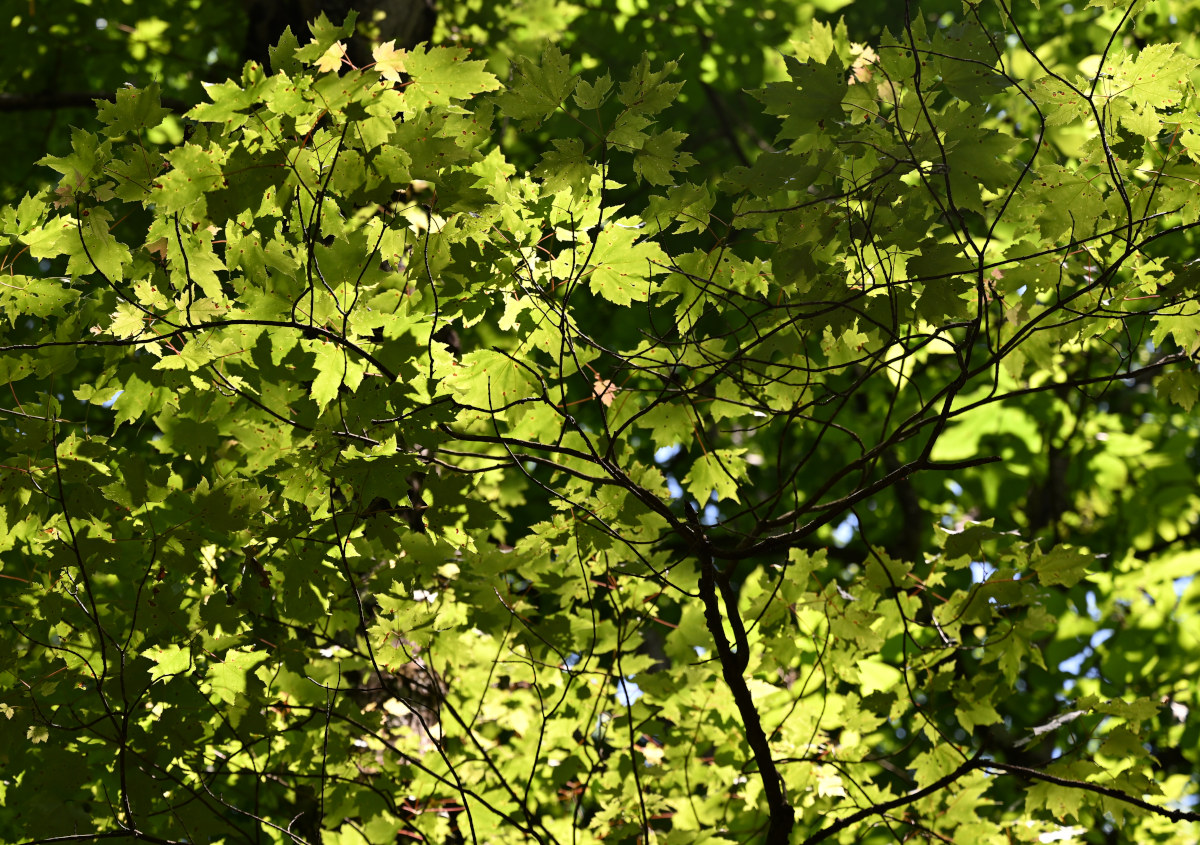
Red Maple
Acer rubrum
Fast-growing maple adaptable across an enormous range of sites — wet bottomlands to dry uplands. Red flowers in February are among the first native blooms of the year. Brilliant scarlet fall color. On-property samaras viable for only days after drop in May — collect and direct-sow or refrigerate immediately.
Plug & quart sizes available
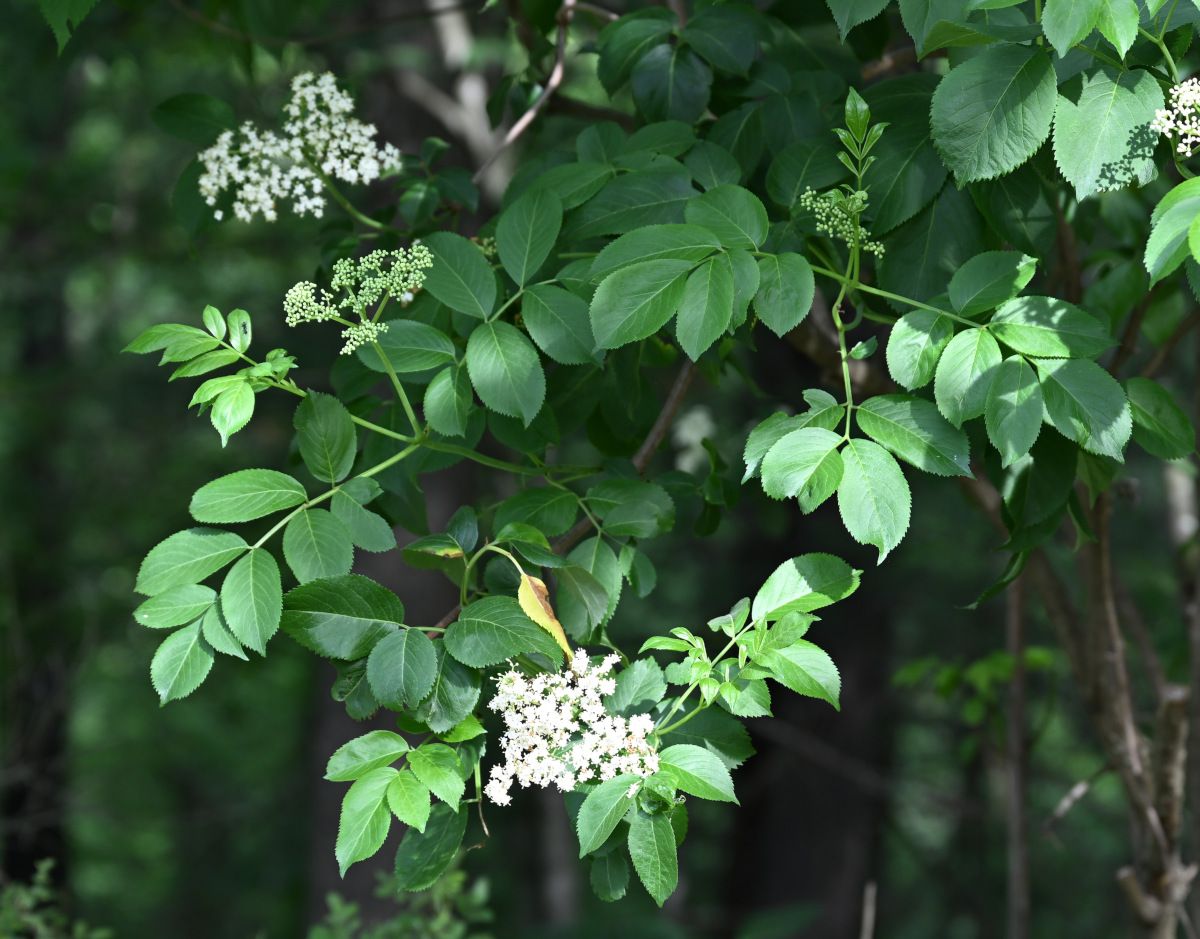
Elderberry
Sambucus canadensis
Fast-growing riparian shrub with flat-topped white flower clusters in June and heavy crops of black berries in August. Critical wildlife food source. Propagates freely from June softwood cuttings taken from on-property plants. NRCS riparian buffer and wildlife habitat practice staple.
Plug & quart sizes available
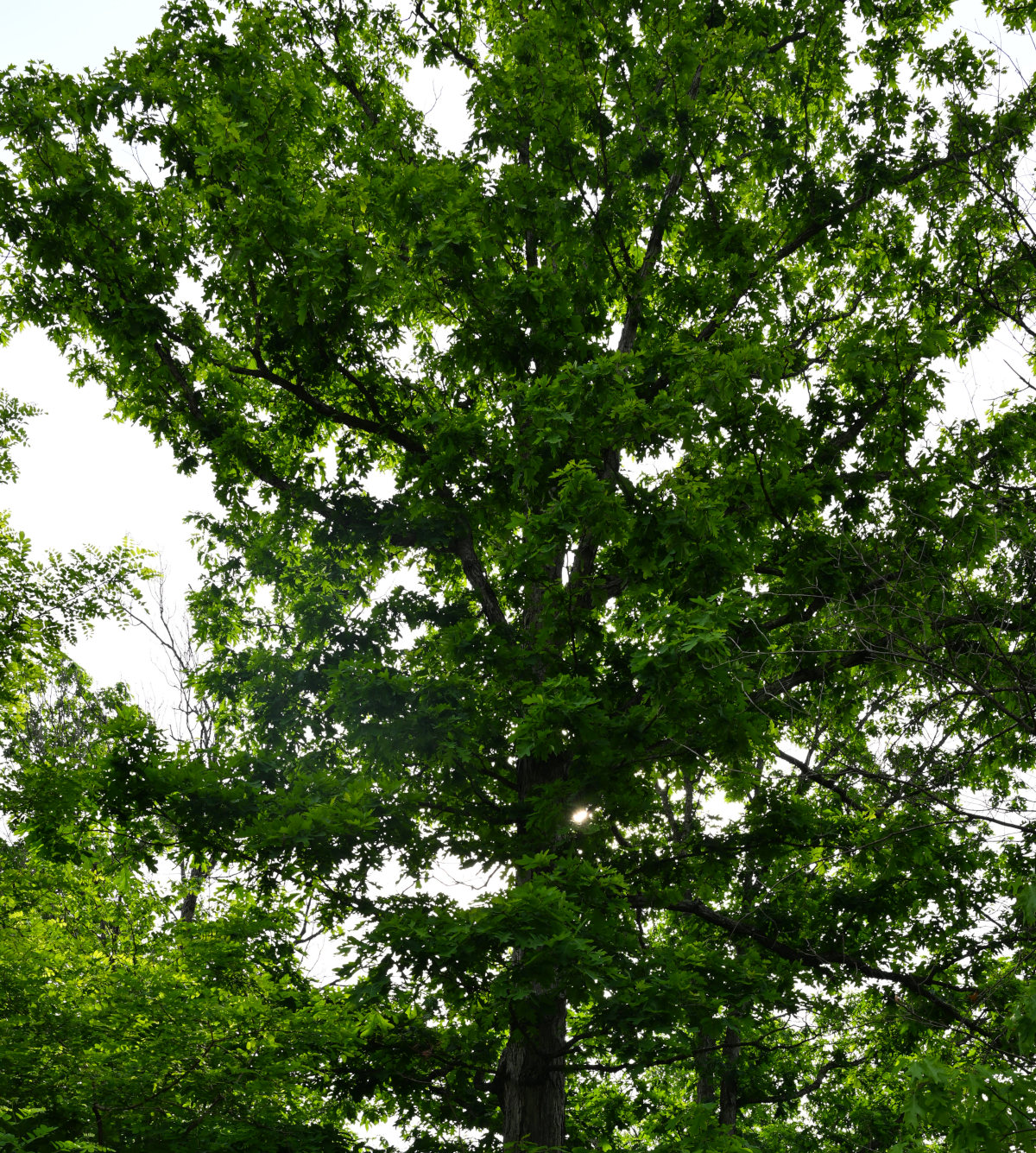
White Oak
Quercus alba
Premier mast-producing oak and the conservation contractor standard. Acorns ripen annually (unlike red oak group — biennial). Supports more caterpillar species than any other woody plant in the eastern US. On-property acorn collection in October provides essentially free seed stock. Tubeling format ideal for NRCS reforestation.
Plug & quart sizes available
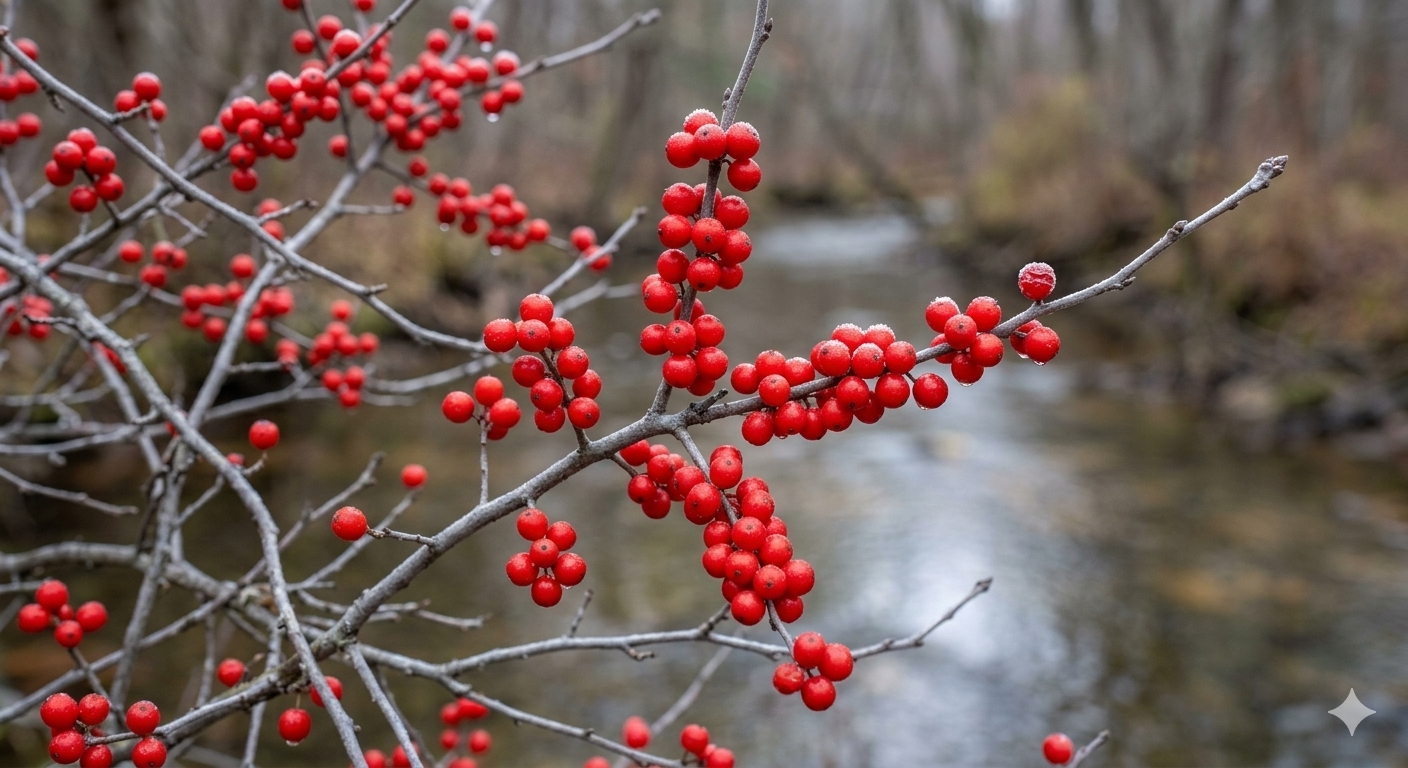
Winterberry Holly
Ilex verticillata
Spectacular bright red berries coat bare stems November through February. Highest wildlife value of any deciduous shrub in the region for overwintering thrushes. Requires a male pollinator plant (1 male per 5–6 females). Tolerates wet, acidic soils. Very high landscape contractor demand.
Plug & quart sizes available
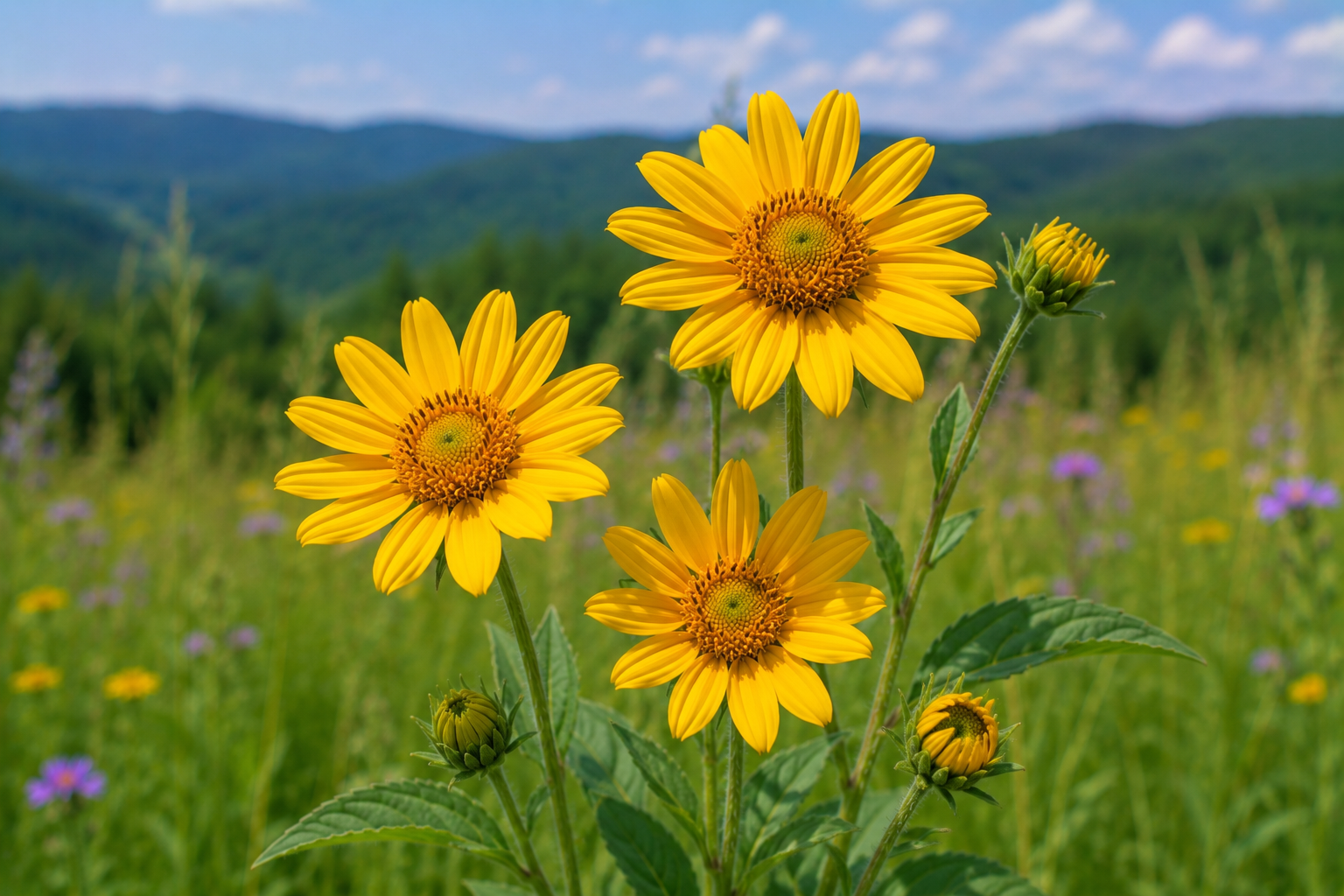
False Sunflower
Heliopsis helianthoides
Bold golden-yellow blooms June–September. Longer bloom window than most native sunflowers. Deer resistant and drought tolerant once established. Excellent landscape crossover — native nurseries sell out every year. Combines well with little bluestem and bergamot in dry meadow mixes.
Plug & quart sizes available
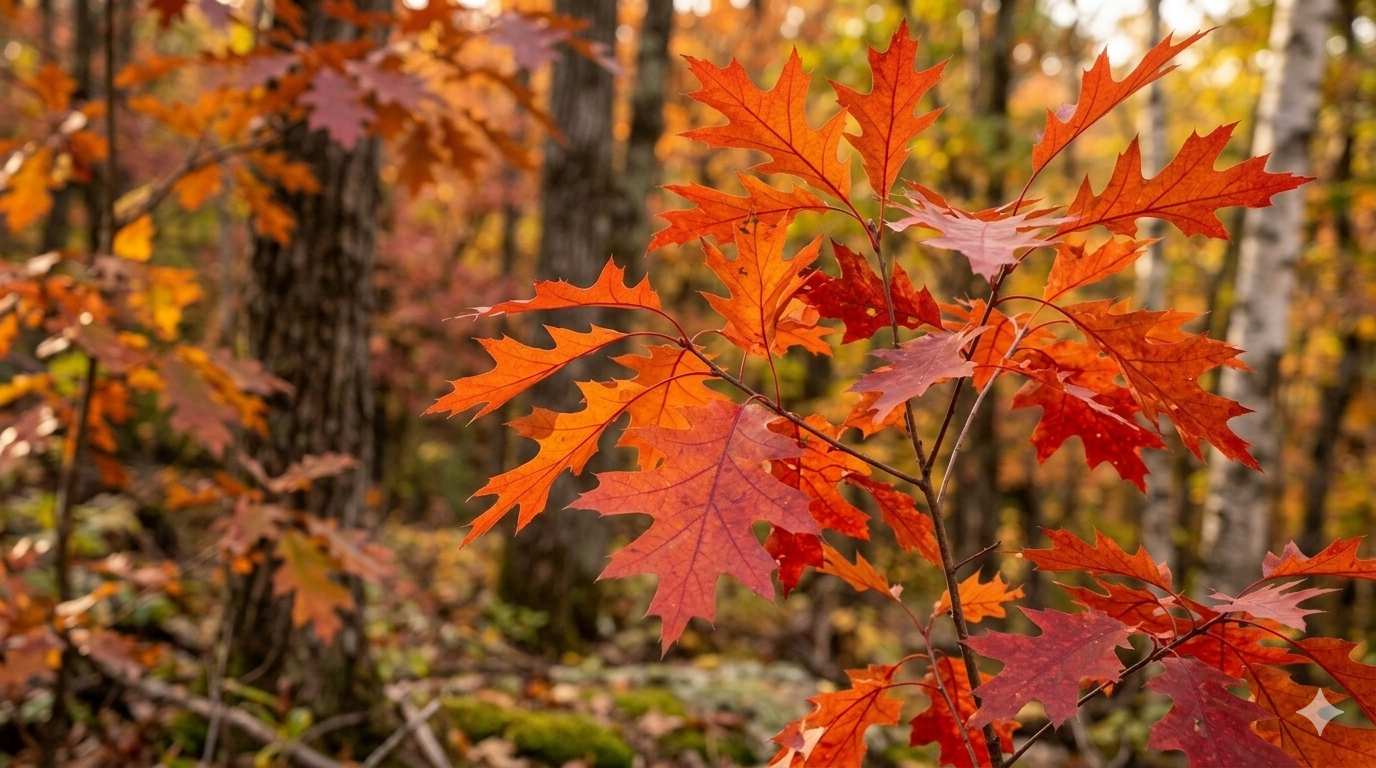
Red Oak
Quercus rubra
Fast-growing reforestation oak with spectacular red fall color. Acorns ripen on a two-year cycle — collect in even or odd years depending on your trees. Widely used in NRCS reforestation and riparian buffer practices. Adaptable across a broad range of well-drained to mesic sites.
Plug & quart sizes available
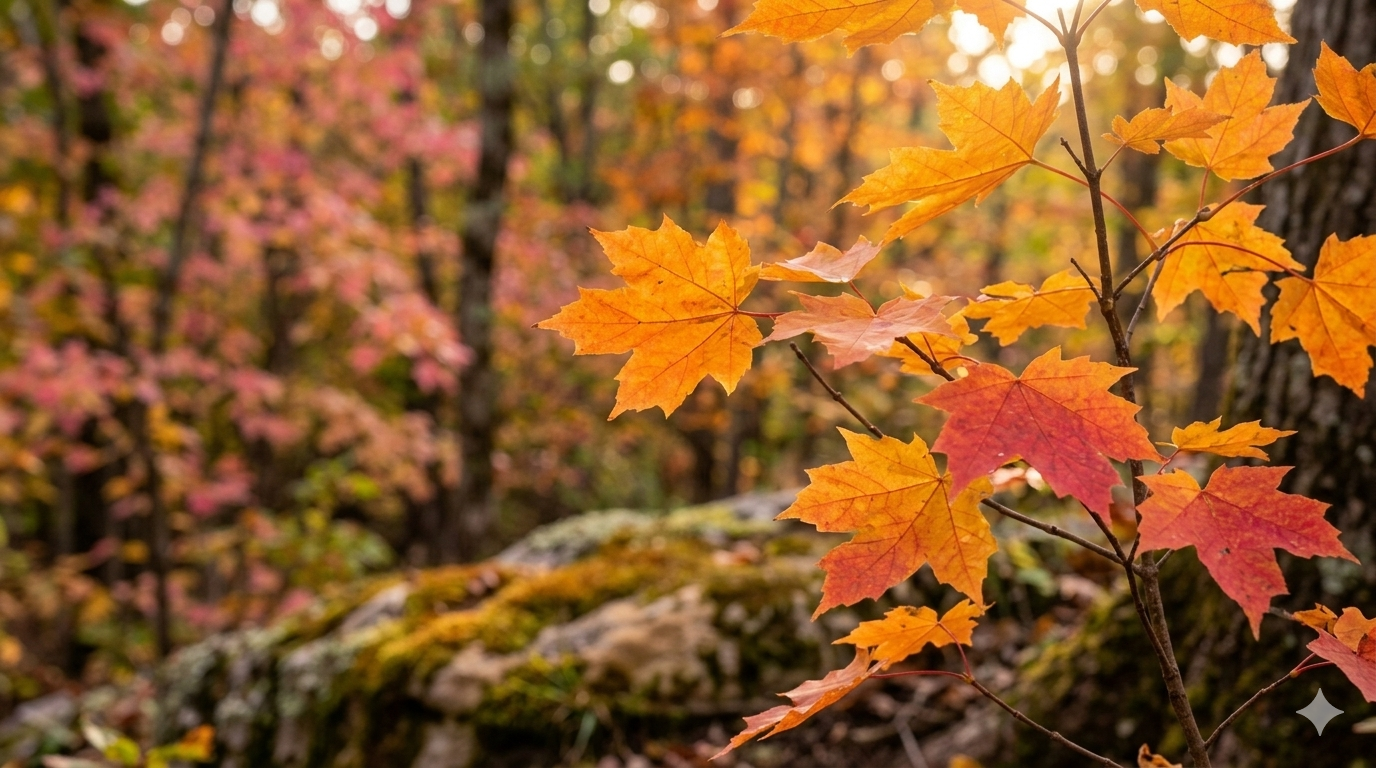
Sugar Maple
Acer saccharum
Iconic Appalachian canopy tree with unmatched orange-scarlet fall color. Samaras viable for only a few weeks after ripening in May — collect and plant immediately or cold-stratify. Abundant natural regeneration in our stand provides seedling transplant material. Dual revenue potential with maple syrup future.
Plug & quart sizes available
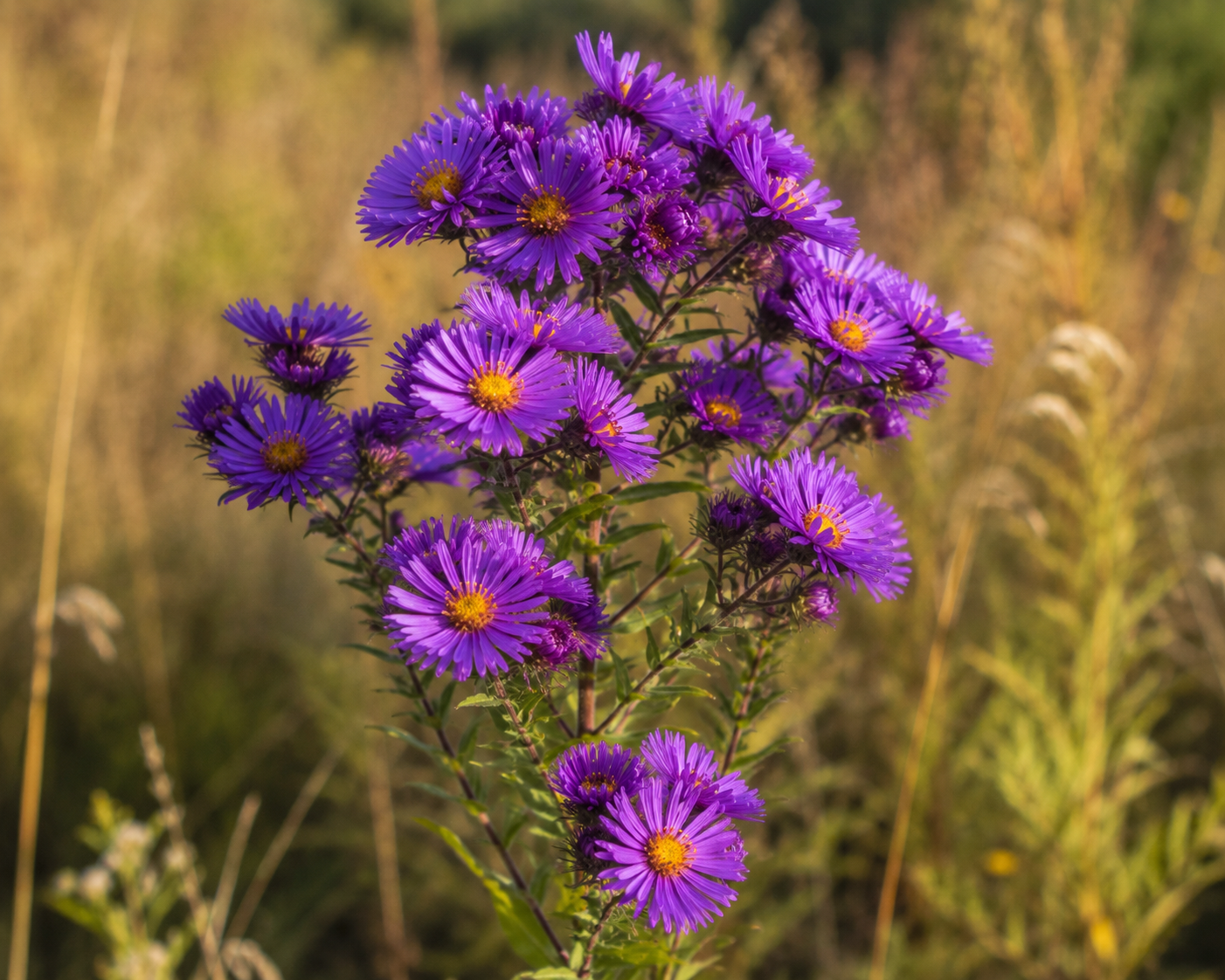
Native Asters
Symphyotrichum spp.
Late-season pollinator bloom September–October when little else is flowering. Critical for migrating monarchs and native bees building winter reserves. Multiple species available for different site conditions — from dry ridgetops to wet meadows. Wildlife value very high.
Plug & quart sizes available
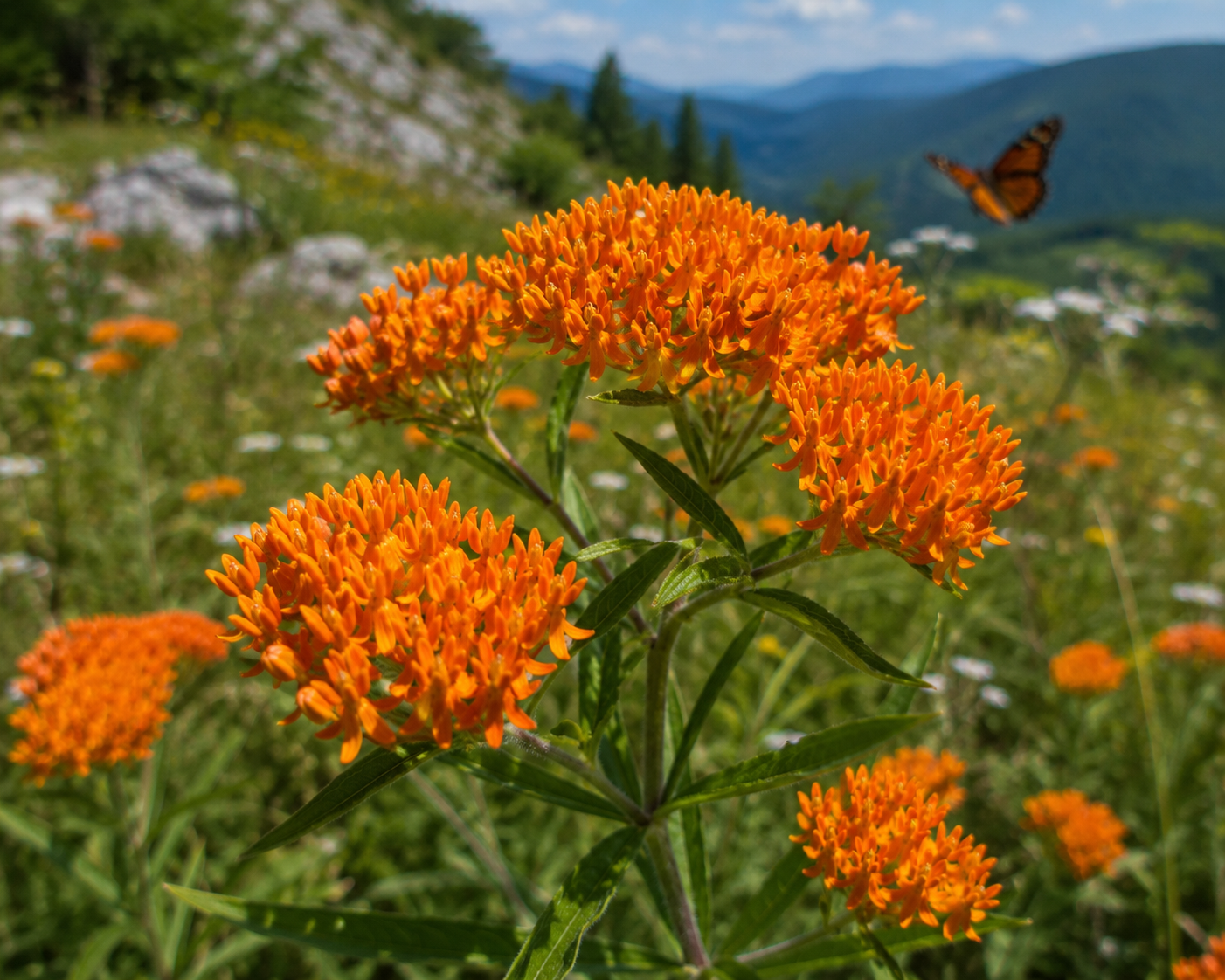
Butterfly Milkweed
Asclepias tuberosa
NRCS monarch butterfly priority species. Brilliant orange blooms June–August on dry, sunny slopes. Requires excellent drainage — will not tolerate wet feet. Challenging to propagate (taproot dislikes transplanting) but worth the effort. High retail price point and strong demand.
Plug & quart sizes available
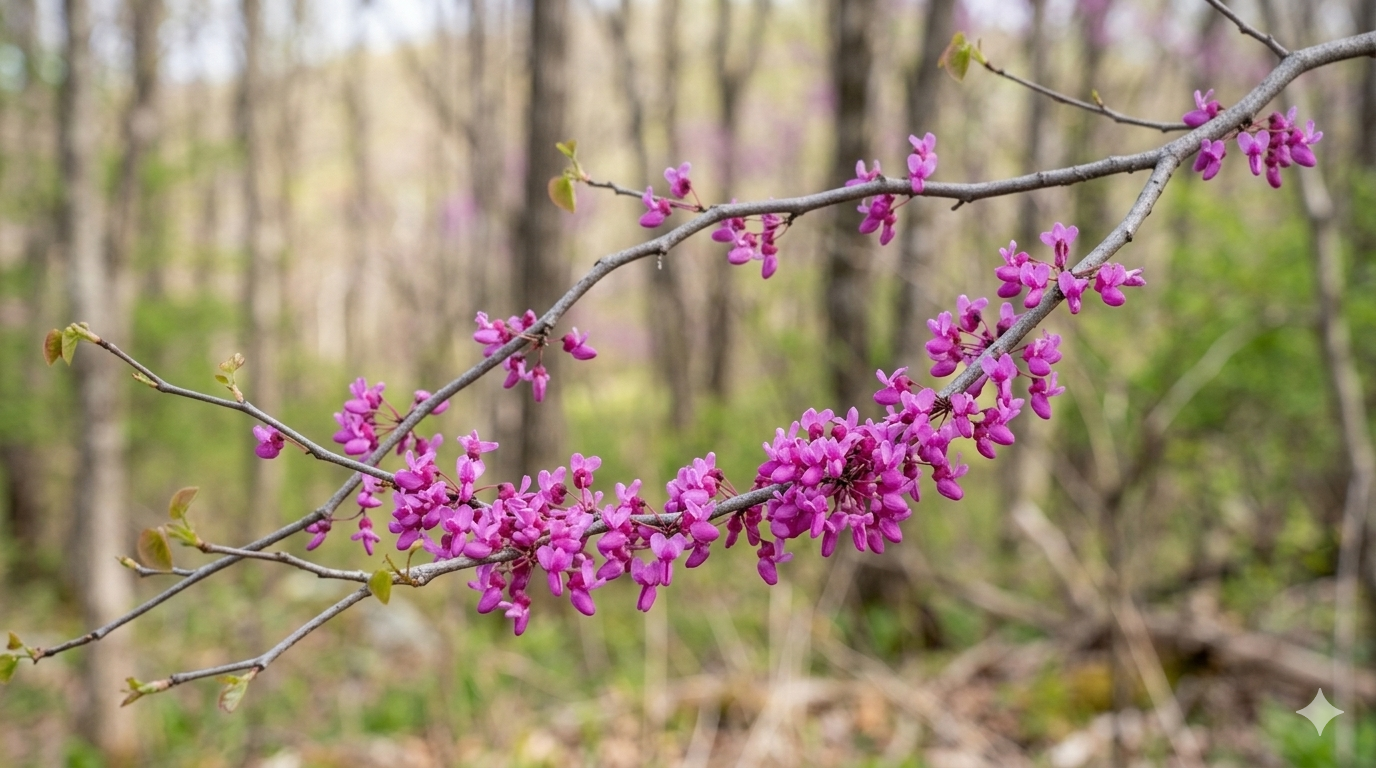
Eastern Redbud
Cercis canadensis
Magenta-pink flowers coat bare branches in April before any leaves appear — one of the most spectacular native spring-blooming trees. Landscape contractor favorite and the highest-retail-demand native tree in the region. Heart-shaped leaves, attractive seed pods in fall. Understory tree to 20–30 feet.
Plug & quart sizes available
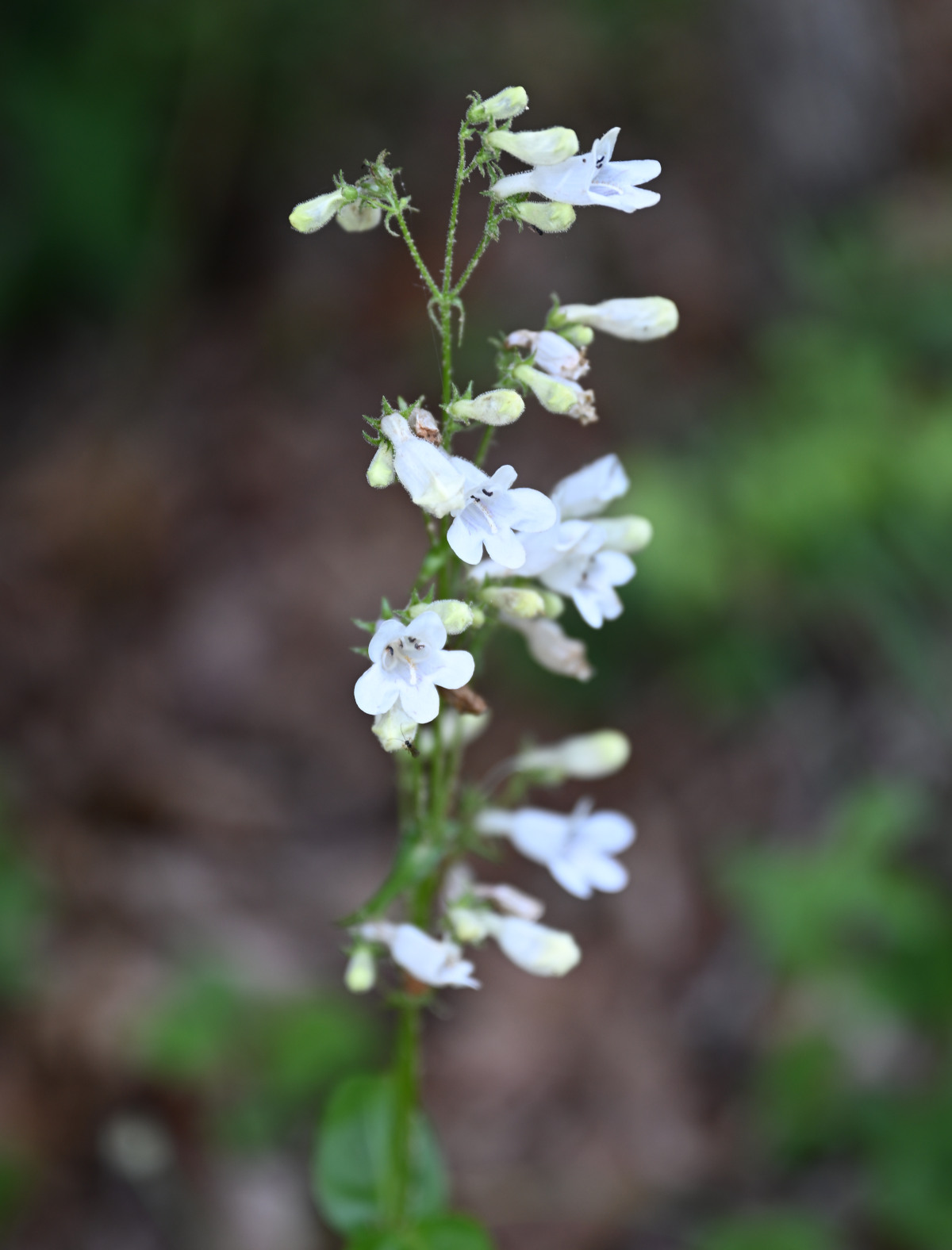
Foxglove Beardtongue
Penstemon digitalis
White tubular flowers May–June. Excellent for meadow restoration and pollinator plantings. Attracts hummingbirds and specialist native bees. Easy from seed, propagates readily, tolerates a range of drainage conditions. One of the most adaptable Appalachian perennials.
Plug & quart sizes available